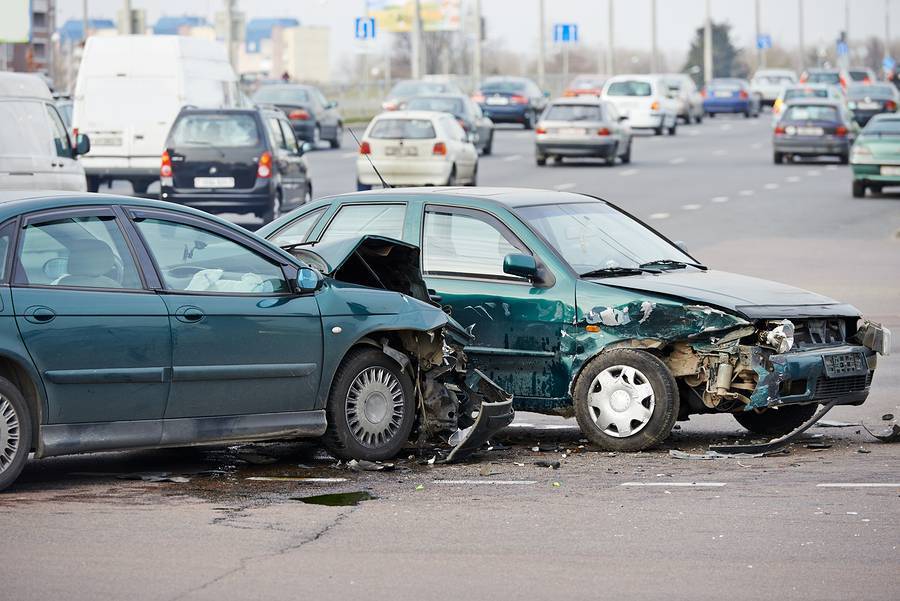
When it comes to defining who was at fault in the accident, the police and insurance company can arrive at wildly varying conclusions. Take for example the common reality that the wreck might have occurred during bad weather or under other extenuating circumstances that caused the responding officer to not list the cause of the accident as attributable to either driver. Your insurance company might not be so forgiving. Most insurers rely on a sliding scale of fault known as Fault Determination Rules that assigns comparative blame to each driver ranked from 0 – 100 percent. As you might suspect, your insurance company will often use this assignment to reduce overall financial compensation.
So-called no-fault insurance does not mean that no driver involved in the accident will be determined to be at fault. This isn’t a fairy tale land where things happen for no reason. The concept of “no fault” means that you only deal with your insurance company, who might decide to compensate you in a manner you see as fair or not. No fault means that you don’t have to waste time and effort tracking down the opposing driver’s insurance company and trying to extract compensation from them. Since you only have to deal with your own company, your case should be handled faster and easier.
Drivers who have been involved in an accident report a variety of emotions that strike anywhere from hours to days after the actual event. This is a legitimate state of shock and/or trauma that might surprise you with its intensity. Different people experience varying levels and stages of emotions but they often fall into the following categories:
* Numb disbelief and denial that it actually happened
* Anger at the other driver, regardless of fault
* Guilt over “allowing” it to happen
* Worry or anxiety that it will happen again
Once again, you might experience all or only a few of these emotions. The impact of the emotional fallout can be debilitating.
Highway collisions are the lead stories on more than a few newscasts but parking lots are the place where most accidents occur. Once you think about it, this shouldn’t come as a surprise. These areas have lots of cars packed into tiny spaces and at least a good portion of them are involved in maneuvering in tight quarters. That they tend to bump into one another more often should not be surprising. This is not to suggest you should never drive in a parking lot (good luck with that) but rather that you need to be on defensive high alert when you do.
If you are involved in a wreck and keep going or stop momentarily but then depart the scene, you could be setting yourself up for a serious criminal charge. In Canada, expect that you could get hit with five years in prison, large fines, and probably cancellation of your insurance policy. Once word gets out in the insurance community, thanks to the miracle of computer databases, you can expect to find it hard to get any company to insure you in the future. If they do, it will be at a cost so high you might decide to take the bus the rest of your life.
In almost all jurisdictions, you are required to contact police in the event the accident causes property damage in excess of a certain amount, there are injuries, or the wreck was the result of illegal activity like drinking or drug use. If there are no injuries, call the regular police number rather than 911. That line should only be used to summon help when time is of the essence. Nobody likes to contemplate a car wreck but it’s worth thinking about ALL the possible ramifications before it actually happens.
Legal Guide by Samer Habbas & Associates, PC The tragic loss of life in an…
Samer Habbas & Associates, PC Analyzes Premises Liability, Rescue Doctrine, and Wrongful Death Rights A…
Attorneys for Plaintiffs Allege That Six Flags Magic Mountain Roller Coaster Has Design Defects That…
Legal Rights, School District Liability, and Catastrophic Injury Claims | Law Offices of Samer Habbas…
Helicopter Providing Coverage for NBC Los Angeles Crashed While Reporting on Fatal Bus Accident CHATSWORTH, CALIFORNIA (September…
Plaintiff v. Shelter Was the No. 1 Settlement for a Negligent Security Case in Los Angeles County…