








Culver City
Motorcycle Accident Lawyer
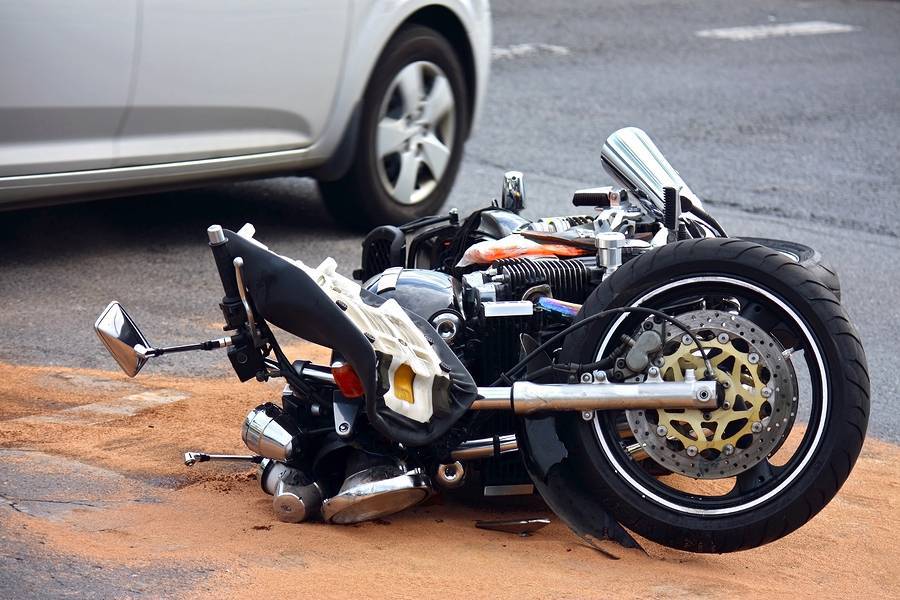
A motorcycle accident can turn a normal day into a life-altering event. Unlike drivers in cars, motorcyclists are completely exposed, which means collisions often cause devastating injuries such as brain trauma, spinal cord damage, and broken bones that can take months or years to recover from. These are not minor cases—medical bills pile up quickly, and the long-term consequences often extend beyond the crash itself. That is why it is critical to have an experienced Culver City motorcycle accident lawyer who understands not only the physical and financial toll of these accidents but also the legal strategies required to hold negligent drivers and other responsible parties accountable. In this piece, Law Offices of Samer Habbas & Associates shares important information about motorcycle accidents in Culver City, including how these crashes happen, the parties who may be at fault, the laws that apply, the forms of compensation available, and how a dedicated motorcycle accident attorney can fight to secure justice and meaningful recovery on your behalf.
Categories of Motorcycle Accidents in Culver City
- Rear-End Motorcycle Accidents — When another vehicle hits you from behind, the force often throws you off the motorcycle and into traffic. Under California Vehicle Code § 21703, drivers must not follow too closely, but many ignore this rule, putting riders at serious risk.
- Head-On Collisions — Crashes where a car or truck strikes your motorcycle from the front are often deadly. California Vehicle Code § 21651 prohibits driving on the wrong side of the road, yet distracted or impaired drivers still cross into a rider’s path.
- Left-Turn Accidents — Intersections are especially dangerous when cars turn left across the path of an oncoming motorcycle. California Vehicle Code § 21801 makes clear that left-turning drivers must yield, but violations of this law remain one of the leading causes of crashes.
- Lane-Change and Blind Spot Accidents — Drivers who fail to check their blind spots or signal before changing lanes can push you into another car or off the road. California Vehicle Code § 22107 requires drivers to ensure lane changes can be made safely before moving.
- Sideswipe Accidents — Multi-lane roads are common in Culver City, and sideswipe crashes happen when cars drift or weave without regard for nearby motorcycles. California Vehicle Code § 21658 requires drivers to stay within their lane, but many fail to follow this rule.
- Dooring Accidents — When a parked driver suddenly opens a car door into your lane, you may have no time to avoid a violent impact. California Vehicle Code § 22517 specifically makes it illegal to open a vehicle door unless it is safe to do so.
- Single-Vehicle Accidents — Not every crash involves another driver. Poorly maintained roads, loose gravel, or sudden weather conditions can cause you to lose control.
- Speeding and Reckless Driving Accidents — Motorists who drive too fast or weave through traffic leave you little room to react. California Vehicle Code § 22350 prohibits driving faster than is safe for conditions, yet violations are common.
- Alcohol or Drug-Related Motorcycle Accidents — Impaired drivers are unpredictable and often deadly for riders. California Vehicle Code § 23152 makes it illegal to operate a vehicle under the influence of alcohol or drugs, but many crashes still happen because drivers break this law.
- Hit-and-Run Motorcycle Accidents — Some drivers flee the scene after causing a collision, leaving you without help and facing serious injuries alone. California Vehicle Code § 20001 requires drivers involved in injury accidents to stop, provide aid, and exchange information, but violations are frequent.
Most Common Motorcycle Accident Injuries
- Road Rash — Sliding across pavement often tears away layers of skin, causing painful abrasions. Severe cases may lead to infections, nerve damage, or permanent scarring, and sometimes require skin grafts for proper healing.
- Fractures and Broken Bones — Being thrown from a motorcycle or struck by another vehicle commonly results in broken arms, legs, ribs, or hips. These injuries often need surgery, metal plates, or long recovery times that limit daily activity.
- Head Injuries and Concussions — Even with a helmet, you can suffer concussions, skull fractures, or swelling inside the brain. These injuries may cause headaches, dizziness, memory problems, or other long-term issues that interfere with normal life.
- Traumatic Brain Injuries (TBI) — Severe crashes can cause brain damage that leads to permanent cognitive, speech, or movement problems. TBIs often require long-term medical care and can drastically change your ability to work or live independently.
- Spinal Cord Injuries — A violent crash can fracture vertebrae or damage the spinal cord, resulting in nerve pain, partial paralysis, or complete loss of movement below the injury site. These injuries are life-altering and usually require lifelong treatment.
- Soft Tissue Injuries — Though less visible, these injuries can cause chronic pain and limit mobility for weeks or even months after the accident.
- Internal Organ Damage — The force of a crash can bruise or tear organs like the lungs, liver, or kidneys. These injuries are extremely dangerous because symptoms may not appear right away, but they often require emergency surgery.
- Internal Bleeding — Hidden bleeding inside the body can quickly become fatal if not treated. Motorcycle accidents often cause this type of injury, and immediate medical care is critical because it is not always detected at the scene.
- Amputations — Limbs can be crushed under vehicles or severely damaged beyond repair. In these cases, surgical removal may be necessary, leading to permanent disability and the need for prosthetics or lifelong medical support.
- Dental and Facial Injuries — Impacts to the face can shatter teeth, fracture the jaw, or cause deep cuts and scarring. These injuries not only affect your appearance but may also require reconstructive surgery and long-term dental care.
- Burn Injuries — Contact with hot motorcycle parts, spilled fuel, or fire after a crash can cause severe burns. These wounds are extremely painful and may leave permanent scars, often requiring skin grafts and lengthy rehabilitation.
- Psychological Trauma — Beyond physical injuries, many riders develop post-traumatic stress disorder (PTSD), anxiety, or depression after a crash. These conditions can interfere with daily life and recovery, sometimes lasting longer than the physical injuries themselves.
- Fatalities — In 2023 alone, California reported 583 motorcycle fatalities, including 33 riders who were not wearing helmets. These figures highlight the ongoing importance of rider protection, helmet use, and targeted safety measures to reduce risks for motorcyclists on the state’s roads.
Where Motorcycle Crashes Commonly Happen in Culver City
- Busy Intersections — Areas like Sepulveda Boulevard and Venice Boulevard or Washington Boulevard and Overland Avenue see heavy traffic all day. Intersections are dangerous for riders because cars often misjudge distance or speed when crossing or turning.
- Highway On-Ramps and Off-Ramps — The I-405 and I-10 freeways that border Culver City have fast-moving traffic merging in and out. Cars that change lanes too quickly or fail to check blind spots create serious hazards for motorcycles.
- Downtown Culver City — Streets filled with restaurants, entertainment, and nightlife bring heavy evening traffic. Drivers who are distracted, unfamiliar with the area, or impaired often make sudden moves that put riders at risk.
- Neighborhood Streets — Even smaller residential roads present dangers when cars back out of driveways or open doors into the roadway. Riders often face sudden hazards with little time to react.
- Commercial Corridors — Washington Boulevard and Jefferson Boulevard carry large numbers of delivery trucks and rideshare vehicles. Frequent stops, sudden lane changes, and crowded lanes raise the risk of collisions with motorcycles.
Who Can Be Liable for a Motorcycle Accident Under California Law
- Negligent Drivers — Car and truck drivers who speed, text, or ignore right-of-way rules can be held responsible under CA laws such as California Vehicle Code § 23123.5, which prohibits handheld cell phone use while driving, and California Vehicle Code § 22350, the Basic Speed Law.
- Commercial Drivers and Employers — If you are hit by a delivery truck or rideshare vehicle, both the driver and the company may share responsibility. Under California Vehicle Code § 34620, commercial operators must carry specific registration and comply with safety standards, which creates additional accountability.
- Government Agencies — Dangerous road conditions, poor signage, or faulty traffic signals sometimes contribute to crashes. Under California Government Code § 835, a public entity may be liable if it fails to keep public property in reasonably safe condition.
- Vehicle and Parts Manufacturers — When brakes, tires, or other motorcycle components fail due to design or manufacturing defects, California’s product liability law applies. California Civil Code § 1714 establishes that manufacturers are responsible for harm caused by defective products.
Contact A Culver City Motorcycle Accident Attorney Samer Habbas

Motorcycle riders often face catastrophic injuries because they have little protection against cars, trucks, and the unforgiving pavement. At Law Offices of Samer Habbas & Associates, our experienced motorcycle accident attorneys have spent years representing riders and their families in some of the toughest cases. We understand the lasting impact of these accidents—long hospital stays, lost work, permanent pain, and the struggle of rebuilding your life. When insurance companies minimize your injuries or try to shift the blame onto you, we step in to hold them accountable. Our firm has the resources, skill, and determination to fight for the compensation you need and deserve. Contact Law Offices of Samer Habbas & Associates by calling 888-848-5084 or contacting us online to speak with a motorcycle accident attorney in Culver City about your case.
Frequently Asked Questions
What should you do first after a motorcycle accident?
How do you know who is at fault in a motorcycle accident?
Fault is determined through evidence such as police reports, traffic camera footage, and witness statements. An attorney reviews all details to prove responsibility for the crash.
Should you call a lawyer after a motorcycle accident in Culver City?
Yes, a Culver City motorcycle accident lawyer helps fight insurance bias against riders. They investigate the crash, apply California traffic laws, and negotiate for fair compensation.
How long do you have to file a motorcycle accident claim?
California’s statute of limitations for personal injury is generally two years under Code of Civil Procedure § 335.1. Filing sooner is best, as delays may reduce evidence strength and limit your chance of recovering rightful compensation.
What insurance pays after a motorcycle accident?
The at-fault driver’s liability insurance typically pays, but your uninsured motorist coverage may also apply. California Insurance Code § 11580.2 requires insurers to offer UM/UIM coverage, providing extra protection if the responsible driver lacks sufficient or any insurance.
How much is your motorcycle accident case worth?
Case value depends on injury severity, medical treatment costs, lost wages, property damage, and pain and suffering. California allows recovery of both economic and non-economic damages, but each motorcycle accident case must be carefully evaluated based on specific circumstances.
Can you recover damages if you were partly at fault in a motorcycle accident?
Yes. California follows pure comparative fault under California Civil Code § 1431.2. Your compensation is reduced by your percentage of fault, but you still recover damages, even if you were more responsible than the other party.
What makes motorcycle accident injuries more serious than car accidents?
Motorcycles provide less protection than cars, so collisions usually cause more severe harm. Riders often suffer brain injuries, spinal cord damage, or multiple fractures. Even with helmets, the impact forces leave victims facing long recoveries and major lifestyle changes.
How long does it take to settle a motorcycle accident case?
Settlement times vary. Minor claims may resolve in months, while complex cases with severe injuries or disputed liability can take a year or longer. Medical recovery often needs completion before calculating damages, which delays reaching a final settlement.
What if the driver who caused your motorcycle accident doesn’t have insurance?
If the at-fault driver is uninsured, your uninsured motorist coverage may help. California Insurance Code § 11580.2 governs this protection.
How does a motorcycle accident lawyer handle insurance companies?
A motorcycle accident lawyer protects you from lowball settlement offers. They handle communications, highlight violations of California Vehicle Code laws, and present strong medical evidence. Their role is to secure maximum compensation while you focus on recovering from injuries.
What damages can a motorcycle crash lawyer in Culver City recover?
Lawyers pursue both economic and non-economic damages. These include medical expenses, lost income, pain and suffering, property loss, and wrongful death compensation under California Code of Civil Procedure § 377.60. Each claim is customized to reflect your financial and emotional hardships.
When should you contact a Culver City motorcycle crash lawyer?
You should contact a lawyer immediately after a crash. Early representation ensures timely evidence collection, protection against insurance company tactics, and compliance with California’s statute of limitations. Quick legal help often leads to stronger results and greater compensation.





 How Do Helmet Laws Affect Motorcycle Accident Injuries?
 Free Consult
 Call 24/7