









Orange County Transportation Accident Lawyer
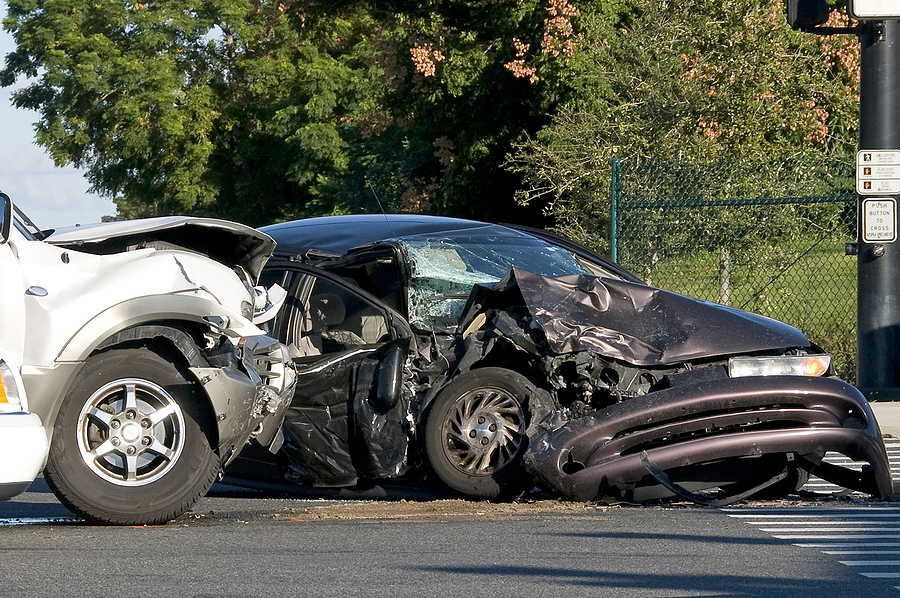
Public transportation accidents in Irvine are not routine injury claims—they often involve government agencies, multiple parties, and strict procedural rules. Victims are frequently left with serious injuries and no clear answers. Whether your injuries occurred on an OCTA bus, at the Irvine Transportation Center, or during a Metrolink derailment or shuttle collision, the legal issues that follow are rarely straightforward.
At Law Offices of Samer Habbas & Associates, our attorneys have extensive experience handling these specific types of cases. We approach each matter with the diligence and skill required to confront large transit operators and their insurers. In this piece, Law Offices of Samer Habbas & Associates explains important information about Irvine public transportation accidents, including the legal options available to victims, the possible types of financial compensation that can be received, and how an Irvine transportation accident lawyer can fight on the victim’s behalf to obtain compensation and justice.
Types of Transportation Accidents in Irvine
1. City Bus Accidents:
City buses run by the Orange County Transportation Authority (OCTA) serve thousands of people every day across Irvine. With stops throughout the city—from neighborhoods in Woodbridge to business parks near Spectrum—these buses are always on the move. Bus accidents can happen when buses make sudden stops, hit cars in front of them, or collide while turning in busy intersections. Passengers inside may be standing, holding onto rails, or seated without seatbelts. This means even low-speed crashes can cause serious injuries. Buses also stop frequently, so there’s a high risk to people boarding, exiting, or walking nearby. Pedestrians, cyclists, and drivers in smaller cars can all get hurt when something goes wrong.
2. Train and Metrolink Crashes:
The Irvine Station is a major hub for Metrolink trains, with commuters traveling daily to and from Los Angeles, San Diego, and beyond. Train accidents in this area may involve derailments, sudden stops, or collisions at crossings. Even near misses with pedestrians or vehicles can lead to injuries. When trains crash, the force is massive—passengers may be thrown from seats or struck by falling objects. Pedestrians or cyclists near the tracks are also at risk, especially in areas with high foot traffic.
3. Shuttle and Transit Van Accidents:
Smaller vehicles like shuttles and transit vans are everywhere in Irvine, especially around office complexes, the airport area, and UCI. These vehicles transport workers, students, and visitors and may not have the same safety standards as large city buses. Shuttles often weave through heavy traffic or make frequent stops without warning. Overloaded vans or those with standing passengers can also tip or roll more easily than other vehicles.
4. School Bus Accidents:
Irvine has many public and private schools, which means school buses are a regular sight on local roads. Crashes can happen while buses are picking up or dropping off students, especially in early morning or late afternoon traffic. Most school buses don’t have seatbelts, and children may be moving around or distracted. Even a sudden stop can cause a student to fall or hit something hard inside the bus. Outside the bus accidents at crosswalks and curbside stops can be extremely dangerous, especially if cars fail to stop as required.
5. Private Charter and Tour Bus Accidents:
You’ll see large charter buses in Irvine during big events at the Great Park, conferences near the Spectrum, or group tours through the area. These buses carry dozens of passengers and often travel long distances. Problems can arise if a driver is unfamiliar with Irvine roads or rush-hour patterns. Mechanical issues, long hours, and lack of onboard safety restraints can all contribute to injuries during an accident.
6. Light Rail or Future Transit Crashes:
Irvine doesn’t currently operate a light rail system, but there are long-term regional plans that may bring rail lines into the area in the future. If that happens, crashes could occur at crossings, on shared roadways, or near pedestrian-heavy zones. These would present risks similar to Metrolink accidents, including the danger of high-speed impacts and minimal protection for those nearby.
Injuries Caused by Irvine Transportation Crashes
- Head and Brain Injuries: You don’t need to hit your head hard to suffer a brain injury. Even a sudden jolt in a bus or van can cause a concussion or traumatic brain injury (TBI).
- Neck and Spinal Cord Injuries: Quick stops or rollovers can cause whiplash or even permanent spinal damage. If your neck is snapped forward or twisted in a crash, you might not feel pain at first, but the damage could get worse over time.
- Broken Bones and Fractures: In a crash, you might be thrown out of your seat or hit by loose items. This can lead to broken arms, legs, ribs, or hips.
- Internal Injuries and Bleeding: You can’t always see internal damage. The force of an accident may rupture organs or cause internal bleeding.
- Cuts, Bruises, and Soft Tissue Injuries: Not all injuries are life-threatening, but that doesn’t mean they’re not painful. Sharp objects, broken glass, or flying debris can cause deep cuts or bruises. Ligament or tendon damage, often called soft tissue injuries, can also take weeks to heal and make it hard to work or take care of yourself.
- Emotional and Mental Trauma: Some victims deal with nightmares, fear of riding buses or trains, or anxiety in public spaces after a crash. These emotional injuries are real and can be just as disabling as physical wounds.
Where Irvine Public Transportation Accidents Usually Happen
- Irvine Transportation Center: A Busy hub for Metrolink, Amtrak, and regional buses. Heavy foot and vehicle traffic increases collision risk.
- Jamboree Road at I-405 and I-5 Interchanges: A Frequent site for OCTA bus crashes due to congestion, merging lanes, and limited visibility.
- Irvine Spectrum Center: Crowded shopping and entertainment area with shuttles, rideshares, and distracted pedestrians.
- University of California, Irvine (UCI): High foot traffic, constant bus movement, and campus shuttles create accident risk, especially near West Peltason Drive and East Campus Drive.
- Barranca Parkway and Culver Drive: Major corridor for bus routes with multiple stops and frequent pedestrian crossings.
- Sand Canyon Avenue near Medical Complexes: Ambulance traffic, public buses, and patient shuttles increase risk near Hoag Irvine and Kaiser Permanente facilities.
- Jeffrey Road and Trabuco Road Corridor: School bus routes and OCTA stops intersect residential and commercial zones.
- Residential Areas: Woodbridge, Northwood, Turtle Rock: Accidents often involve school buses, crossing children, or shuttle vans during peak school hours.
- Alton Parkway at Technology Drive: High-tech business zone with employee shuttles and heavy commuter flow.
Who Might Be Legally Responsible After a CA Transportation Accident
1. Public Transit Agencies:
If you were injured on or by an Orange County Transportation Authority (OCTA) bus, OCTA could be to blame. Under California Civil Code § 2100, public transportation companies must use the highest level of care to keep passengers safe. If a bus driver was speeding, didn’t brake in time, overloaded or overcrowded their bus, or hit a pedestrian, OCTA might be liable.
Under California Government Code § 815.2, a government employer is responsible if an employee causes an injury to a victim while on the job. Additionally, under California Vehicle Code § 17001, if a government employee causes injury or damage while driving a work vehicle and doing their job, the public agency they work for can be held legally responsible.
2. Transit Drivers:
The driver can be directly responsible if they were reckless or distracted. Because most drivers work for private transit companies, that company could also be on the hook for their actions.
3. Private Bus and Shuttle Companies:
If you were hurt in a crash involving a charter bus, event shuttle, or hotel van, the business running it may be at fault. These companies still have a duty of care under California law and can be sued if they fail to maintain their vehicles or hire qualified drivers.
4. Government Entities:
If a public agency like the City of Irvine owns or operates the transit service, they can be held accountable. Under the California Government Claims Act, you have to file a formal claim with the agency within 6 months of the accident. If you miss that deadline, you could lose your right to sue.
5. Vehicle or Parts Manufacturers:
If the accident happened because of a brake failure, steering defect, or other malfunction, you might have a claim under California Civil Code § 1714.45. That could mean suing the manufacturer of the bus, train, or shuttle, or the company that made the faulty part.
Potential Compensation After a Public Transit Crash
1. Types of Compensation:
You can get money for medical bills, lost wages, pain and suffering, and any future treatment you’ll need. If you were seriously injured and can’t return to work, you may also be able to recover for lost future income and disability. Emotional distress is also something that can be considered, especially in traumatic or long-term injury cases.
2. Insurance Claim vs Lawsuit:
You can start by filing an insurance claim. This is often with the public transit agency’s insurance company, like the Orange County Transportation Authority (OCTA), or a private carrier if it was a charter or rideshare van. Insurance claims are usually faster, but they often offer less money than your case may truly be worth.
If the insurance company denies your claim or lowballs you, you can file a lawsuit. Lawsuits give you a chance to present your case in court, but they take longer. In some cases, you’ll need to file a government claim first, especially if the transit agency is a public entity.
3. Wrongful Death Compensation
If someone you love died in a public transit accident, you may be able to file a wrongful death claim. This can cover funeral and burial costs, loss of income, and loss of companionship. California’s wrongful death laws are found under Code of Civil Procedure § 377.60. If your family member suffered before dying, you may also have a claim for their pain and suffering under a separate “survival action” as described in § 377.30.
Why You Want an Irvine Transportation Injury Lawyer
Public transit accidents in Irvine often involve agencies like OCTA or Metrolink and have unique rules. You only have six months to file a government claim under California Government Code § 911.2. These cases require fast action to preserve evidence like surveillance footage, maintenance logs, and driver records—most of which are controlled by the transit agency. A personal injury lawyer familiar with Irvine routes, stops, and local agencies knows how to track down this evidence and prove violations of the high duty of care under California Civil Code § 2100. Unlike regular car accidents, these cases often involve multiple parties—public and private—with overlapping liability. A lawyer experienced in Irvine transit accidents can coordinate all parts of your claim and deal with the legal tactics used by transit agencies and their insurers. This helps you avoid delays, missed deadlines, or lost compensation.
Contact Irvine Public Transportation Accident Attorney Samer Habbas

If you’ve been injured in a public transportation accident in Irvine—whether involving a city bus, Metrolink train, or shuttle operated by a government or private entity—you have the right to hold the responsible parties accountable. These cases involve complex procedures, strict legal deadlines, and powerful defendants who are often quick to deny fault. At Law Offices of Samer Habbas & Associates, our experienced Irvine personal injury attorneys represent victims of public transportation accidents with determination and focus. We understand the physical, emotional, and financial burdens that follow these incidents, and we are prepared to take legal action to pursue full and fair compensation. Contact Law Offices of Samer Habbas & Associates by calling 888-848-5084 or contacting us online for a free consultation with an Irvine public transportation accident attorney.
Frequently Asked Questions
What should I do after a public transportation accident in Irvine?
Get medical help, document everything, report it, gather witness info, and speak to an experienced transit accident lawyer immediately.
Can I sue OCTA or Metrolink for causing the crash?
Yes, but you must file a government claim within six months under California Government Code § 911.2.
Do I need to file a police report after a transit accident?
Yes, it helps document the incident and supports your legal and insurance claims.
What if the transit driver caused the crash?
You may file a claim against their employer, usually a public agency or private contractor.
Can I still file a claim if I wasn’t taken to the hospital?
Yes, but see a doctor quickly. Delayed treatment can hurt your claim’s credibility.
What if I was a pedestrian hit by a bus or train?
You can file a claim if the transit agency or driver was negligent.
What if my child was injured on a school bus?
You can file a claim on their behalf. The same legal deadlines usually apply.
Will insurance cover all my losses?
Not always. Insurers often underpay, so legal action may be needed for full compensation.
Can I sue if my family member died in a transit accident?
Yes, you may file a wrongful death claim under California Code of Civil Procedure § 377.60.

 Legal Rights for Injured Riverside Passengers in Public and Private Transportation
 Free Consult
 Call 24/7