









Can I Still Sue If I Was Partially at Fault in the Accident?
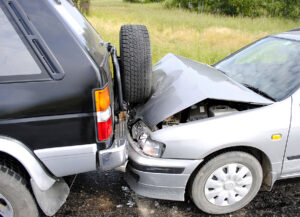
After an accident in California, many injured people question whether they still have a viable claim when they believe they may have contributed to the event. California law directly addresses this situation. Under California Civil Code § 1714(a), the state applies a “pure comparative negligence” system. This legal standard allows you to pursue compensation even when your own conduct is determined to be a contributing factor. Your recovery may be reduced based on your percentage of fault, but it is not eliminated solely because you share responsibility. This article, prepared by the attorneys at Law Offices of Samer Habbas & Associates, explains how this rule works and what it means for injured individuals in Orange County.
How California Evaluates Fault in Personal Injury Cases
Fault in California is assessed through evidence and legal analysis rather than personal impressions or remarks made at the scene. The central question is whether any party failed to use “ordinary care,” a legal term that refers to the level of caution a reasonably prudent person would use under similar circumstances. Courts and insurance carriers look to objective evidence such as photographs, witness observations, accident reconstruction, and medical findings. Although you may believe you acted imperfectly, that belief does not determine legal fault. California law recognizes that accidents often involve multiple decisions and conditions happening simultaneously. The analysis focuses on causation, foreseeability, and whether another party failed to act as a reasonably careful person would have acted. This is why self-assessments made immediately after an accident are often inaccurate and legally unhelpful.
How Partial Fault Affects Your Potential Compensation
Under California’s pure comparative negligence framework, your compensation is reduced according to your percentage of fault. If your total damages are valued at $100,000 and you are assigned 30 percent of the responsibility, your maximum recovery becomes $70,000. Importantly, you may still seek compensation even when your share of fault is substantial. You could be 80 percent responsible and still pursue the remaining 20 percent from the other party, so long as their negligence contributed to the injury. This rule exists because California acknowledges that liability should be allocated proportionally rather than imposed solely on one party when multiple acts of negligence contributed to the harm. In practice, this system allows injured individuals meaningful access to compensation despite shared involvement.
Situations Where Fault Is Commonly Shared
Shared fault is more common than many people realize. A driver may briefly accelerate over the speed limit at the same time another driver makes an unsafe lane change. A pedestrian may be looking at a phone at the moment a motorist fails to yield. A customer may slip on a wet floor because a property owner neglected to place warning signs, even if the customer was walking quickly. These circumstances reflect thatnegligence can arise from several different actions occurring at once. Even if you could have acted with greater caution, the other party’s conduct may remain the dominant cause of the incident. California’scomparative negligence rule exists precisely because real events rarely involve a single, isolated source of fault.
Why You Should Not Assume You Are Legally at Fault
Injured individuals often internalize blame or make apologetic statements out of politeness or stress. However, legal fault is not determined by apologies, expressions of regret, or momentary impressions. It is determined by facts, evidence, and legal standards governing negligence and causation. Many people later learn their assumed responsibility was exaggerated or legally insignificant once the circumstances are reviewed properly. Relying on your own assumptions can harm your claim, particularly when insurers attempt to use early statements to inflate your percentage of responsibility. A precise assessment requires legal evaluation, not instinct.
The Role of Legal Representation in Partial-Fault Claims
Because every percentage of fault can affect your compensation, the manner in which evidence is presented is critical. Insurance companies often argue that the injured party bears a greater share of responsibility than the evidence supports. An attorney can gather and preserve evidence, challenge improper conclusions, analyze whether the opposing party violated statutory obligations, and apply California’snegligence principles correctly. Experienced counsel also ensures that statements you make are not misinterpreted or taken out of context. Comparative negligence is intended to allocate fault fairly, but fairness is more likely achieved when guided by someone trained in the legal process. Without representation, injured individuals are often disadvantaged in negotiating with insurers who routinely attempt to minimize liability.
Orange County Georgia Personal Injury Lawyer
Individuals in Orange County often assume that sharing fault prevents them from seeking legal relief. California law makes clear that this assumption is incorrect.Civil Code § 1714(a) provides a path for recovery even when responsibility is divided. Before accepting an insurance company’s view of the situation, you should have the facts analyzed by an attorney who understands how fault is allocated under California law. The determination of fault involves legal definitions, evidentiary rules, and standards that require professional interpretation. A thorough evaluation may reveal that the other party’s conduct played a far more significant role than you initially believed.If you were injured in California and are uncertain about how your own actions may affect your claim, the personal injury attorneys at Law Offices of Samer Habbas & Associates can evaluate your situation and explain your legal rights. To speak with an attorney, contact Law Offices of Samer Habbas & Associates by calling (888) 848-5084 or contacting usonline for a free consultation.





 Can You Sue for Nerve Damage After an Accident?
  Free Consult
 Call 24/7