








Common Causes of Car Accidents
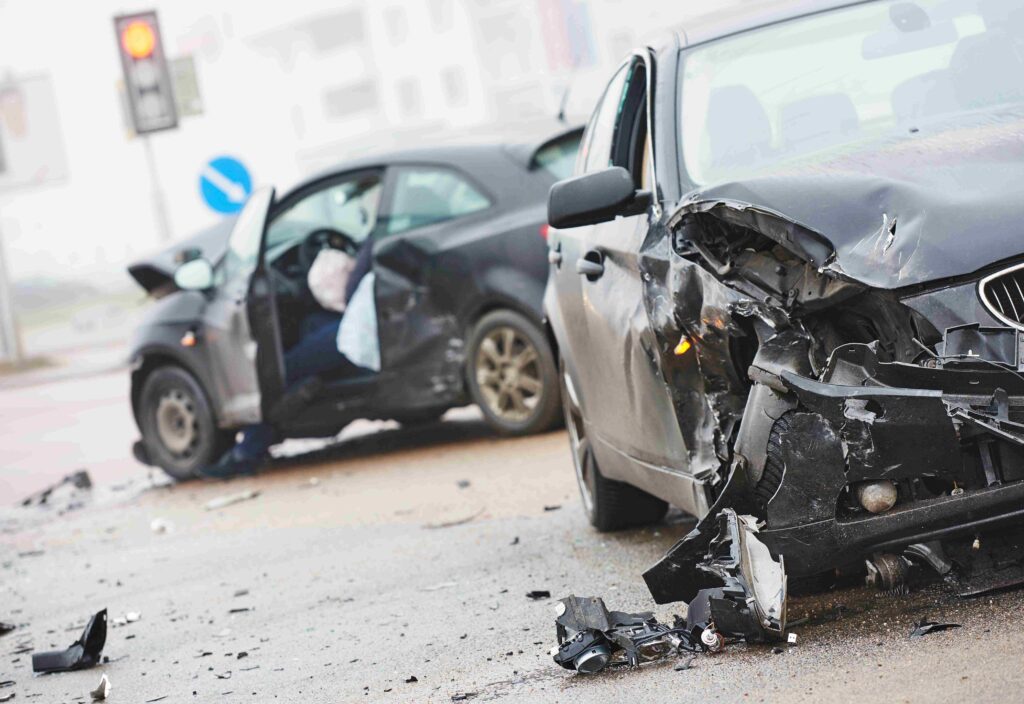
Car crashes happen in seconds, but the impact can last for years. If you were hurt in a collision in Los Angeles—or anywhere in California—that wasn’t your fault, it’s crucial to understand how these incidents occur. Most crashes result from negligence, not chance, and California ranks high in traffic injuries and deaths. Knowing the leading causes of accidents can help you understand your case, avoid future risks, and decide when to contact an Orange County car accident attorney. Some causes are obvious, while others are surprisingly dangerous.
1. Distracted Driving
Distractions are a constant threat on the road, especially in fast-paced urban areas like Los Angeles. In fact, Studies show drowsy drivers are involved in over 90,000 crashes each year nationwide. Despite California’s strict regulations—including California Vehicle Code § 23123.5, which bans the use of handheld cell phones while driving—many drivers continue to text, scroll, dial, or take calls behind the wheel. But distractions extend beyond phones.
Other common distractions include adjusting the radio, checking GPS directions, reaching for objects, eating, applying makeup, or interacting with children or pets in the vehicle.
2. Speeding and Reckless Driving
Driving too fast is more than breaking the posted speed limit—it’s often an indicator of poor judgment. California’s “Basic Speed Law” under Vehicle Code § 22350 requires drivers to operate at a safe speed for current conditions. Even if you’re traveling under the speed limit, you can still be cited if your speed is inappropriate for weather, traffic, or road hazards.
Reckless driving includes speeding, tailgating, weaving between lanes, or making abrupt lane changes without signaling. Crashes involving reckless drivers tend to be more violent, resulting in serious injuries or multiple-vehicle pileups.
3. Driving Under the Influence
Drunk and drug-impaired driving remain serious dangers on California roads. Under Vehicle Code § 23152, it is illegal to drive under the influence of alcohol, cannabis, or any drug that impairs your ability to operate a vehicle safely. Substance-impaired may drift across lanes, fail to notice stop signs, or react too slowly to avoid a collision.
4. Running Red Lights and Stop Signs
Blowing through a red light or ignoring a stop sign is a clear breach of traffic laws, yet it happens daily across California. These violations are especially dangerous at intersections, where crossing paths at perpendicular angles often leads to T-bone or side-impact collisions.
Drivers may run red lights because they are distracted, impatient, or trying to “beat the yellow.” But rushing through an intersection can cost lives. If you were injured because someone disregarded traffic signals, their negligence likely played a direct role.
5. Drowsy Driving
Fatigue dulls the senses, slows reaction time, and affects concentration. Yet many drivers get behind the wheel despite not being fully alert. Long-haul truckers, night-shift workers, and parents with newborns are particularly at risk.
Drowsy driving is not always easy to detect, but it can be just as dangerous as impaired driving. A fatigued driver may drift into other lanes, fail to brake in time, or not notice other cars stopping ahead.
6. Unsafe Lane Changes
Changing lanes without checking blind spots, signaling, or judging distance properly often leads to sideswipe accidents. These car crashes can force vehicles off the road, into barriers, or into other lanes of traffic. In congested areas like Los Angeles, where multi-lane highways are common, unsafe lane changes are a frequent issue.
Relatedly, accidents involving pedestrians or cyclists often stem from drivers failing to yield at crosswalks or drifting into bike lanes. Distractions and blind turns contribute to these events, and injuries are often severe.
7. Tailgating and Following Too Closely
When drivers don’t maintain a safe following distance, they reduce the time they have to respond to sudden stops. California law requires drivers to keep a safe distance that allows enough time to react. Tailgating is especially common in stop-and-go traffic or during moments of frustration, but it greatly increases the chance of a rear-end collision. Even at moderate speeds, rear-end impacts can cause whiplash, spinal injuries, or traumatic brain injuries.
8. Inexperienced or Unlicensed Drivers
Inexperience can lead to poor decisions on the road. Teenage drivers or those who haven’t logged many hours behind the wheel may misjudge turns, panic in emergencies, or forget basic safety rules. California requires all drivers to have a valid license and adequate training, yet unlicensed driving still occurs. If the driver who caused your crash was new, unlicensed, or violating licensing restrictions, it could signal negligence.
9. Vehicle Defects or Poor Maintenance
Not all crashes are the result of driver error—some stem from mechanical failure. Bald tires, faulty brakes, broken lights, or worn-out steering systems can all lead to loss of control. While some auto defects originate from the manufacturer, many accidents are caused by a vehicle owner’s failure to maintain their car properly. If your accident was caused by another vehicle’s malfunction, an investigation into its maintenance history may reveal whether neglect played a role.
10. Poor Road Design or Maintenance
Though less common, some accidents are caused in part by the road itself. Uneven pavement, faded lane markings, missing signage, or dangerous curves can increase the likelihood of a car crash. In California, government entities have a responsibility to maintain safe roads. If a dangerous road condition contributed to your crash, you may need to explore whether a city or state agency failed in its duty.
11. Weather-Related Accidents
Rain, fog, and high winds can all contribute to accidents in Southern California. While the region is mostly dry, rain after long dry spells leads to slick, oil-covered roads. Fog often affects coastal routes, reducing visibility.
Who’s at Fault—and Why It Matters
Figuring out who’s at fault after a car accident isn’t always simple. In California, more than one driver or entity can share the blame, and that can affect how much money you’re able to recover. That’s why it’s so important to act fast: get medical help, take photos of the scene, collect witness info, and file a police report. The cause of the crash—whether it was distracted driving, bad weather, poor maintenance, or something else—plays a big role in determining who’s responsible. An experienced car crash attorney knows how to sort through the details, deal with insurance companies, and build a strong case for you.
Contact Orange County Car Accident Attorney Samer Hababs

If you’ve been injured in a car accident because of another driver’s carelessness or reckless behavior, you may be entitled to compensation for your injuries. The team at Law Offices of Samer Habbas & Associates is ready to listen and help you understand your legal options. To learn more, contact Law Offices of Samer Habbas & Associates by calling 949-727-9300 or contacting us online for a free consultation and get Samer on Your Side today.





 Los Angeles Intersections Becoming Increasingly Deadly for Pedestrians
  Free Consult
 Call 24/7