








What to do If the Other Driver Has No Insurance
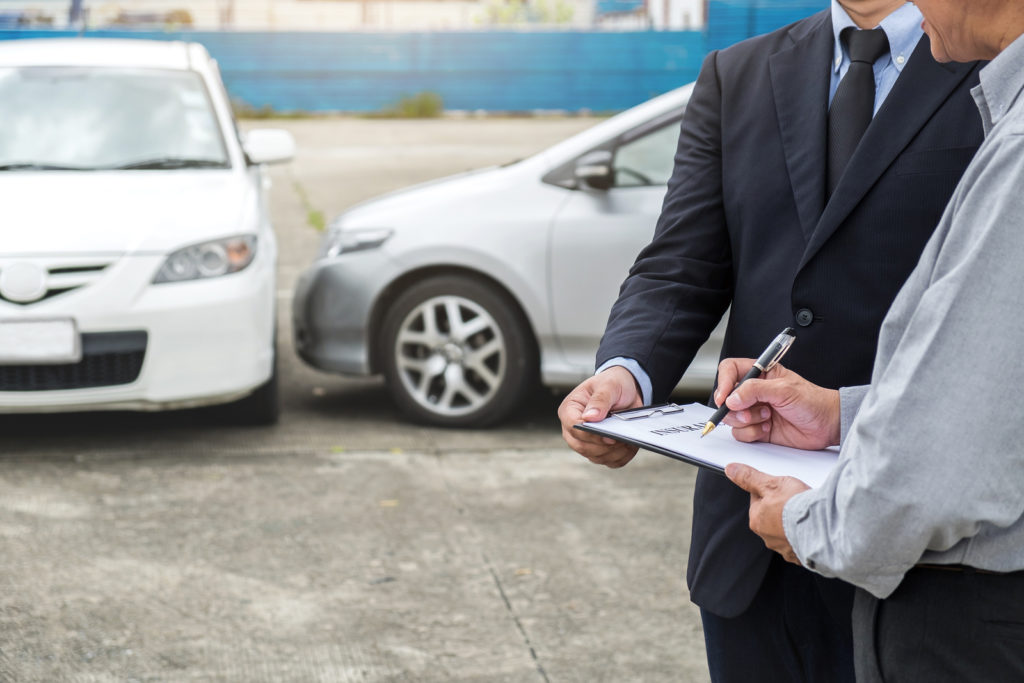
Being struck by another driver is always unsettling, but the stress intensifies when you discover the at-fault driver has no insurance coverage. Unfortunately, this situation is common in California, where thousands of motorists continue to drive illegally without proper insurance. If you have been injured in such an accident in Orange County, California, it is critical to understand your rights under California law and the steps you can take to protect yourself.
This article, prepared by Law Offices of Samer Habbas & Associates, explains how uninsured driver cases work under California law, what types of compensation may be available, and how an experienced attorney can help you pursue a fair recovery.
California’s Financial Responsibility Laws
California law requires all drivers to be financially responsible for the injuries or damages they cause. Under California Vehicle Code § 16020, drivers must maintain evidence of financial responsibility, usually in the form of an auto insurance policy that meets the state’s minimum coverage limits.
According to California Vehicle Code § 16056, those minimum limits are: $15,000 for injury or death of one person, $30,000 for injury or death of two or more persons in one accident, and $5,000 for property damage. These figures are commonly referred to as “15/30/5” coverage.
Despite this legal requirement, many drivers on California roads remain uninsured. When one of those drivers causes a collision, injured victims often face serious challenges in obtaining compensation for medical expenses, lost income, and other damages.
How Uninsured Motorist Coverage Works
California law provides a layer of protection through Uninsured Motorist (UM) Coverage, which is governed by California Insurance Code § 11580.2. This coverage is designed to step in when you are injured by a driver who has no insurance or in cases where the at-fault driver cannot be identified, such as a hit-and-run accident.
Uninsured motorist coverage can pay for your medical expenses, lost wages, and pain and suffering. If you have Uninsured Motorist Property Damage (UMPD) coverage, it may also help repair or replace your vehicle, subject to policy limits.
However, filing a UM claim is not as straightforward as it may seem. Even though you are submitting the claim to your own insurer, you must still prove that the uninsured driver was negligent and that their negligence caused your injuries. Insurance carriers often attempt to minimize these claims, making it essential to have skilled legal representation advocating for your rights and ensuring that your claim is properly documented and valued.
Legal Remedies Without Uninsured Motorist Coverage
If you do not carry UM coverage, you still have legal options, although recovery may be more challenging. You may bring a personal injury claim directly against the uninsured driver. Under California Civil Code § 1714, every individual is responsible for injuries caused by their failure to exercise ordinary care. This means that even without insurance, the at-fault driver is personally liable for the harm they cause.
Unfortunately, most uninsured drivers lack sufficient personal assets or income to satisfy a civil judgment. Your attorney can help investigate whether the driver has attachable property, employment wages, or other sources of recovery. In some cases, if the at-fault driver was operating a vehicle in the course of employment, their employer may share liability under the legal principle of respondeat superior.
Other potential defendants may include a vehicle manufacturer if a mechanical defect contributed to the accident, or a public entity if a dangerous roadway condition played a role. These complex liability questions often require thorough investigation and experienced legal analysis.
Comparative Negligence in California
California follows the doctrine of pure comparative negligence, which allows you to recover damages even if you were partially at fault for the accident. This principle, codified in California Civil Code § 1714 and reaffirmed by the California Supreme Court in Li v. Yellow Cab Co. (1975), reduces your recovery in proportion to your share of fault.
For example, if you are awarded $100,000 but are found to be 20 percent responsible, your recovery would be reduced to $80,000. This rule ensures that you can still pursue compensation, even when fault is shared between parties.
Proving Liability and Damages
When the negligent driver has no insurance, the burden of proof becomes even more critical. You must establish both the other driver’s liability and the full extent of your damages. Evidence in uninsured driver cases typically includes police reports, witness statements, medical records, photographs of the vehicles and accident scene, and documentation of financial losses such as medical bills and missed work.
In hit-and-run cases, California law requires that you report the collision to law enforcement within twenty-four hours under Vehicle Code § 20004 and to your insurer within a reasonable time to preserve your right to UM benefits. Failure to follow these procedural requirements may jeopardize your ability to recover compensation.
Recoverable Damages After an Uninsured Driver Accident
If successful, you may recover compensatory damages for both economic and non-economic losses. These include the cost of emergency treatment, hospital care, rehabilitation, lost wages, loss of future earning capacity, and pain and suffering.
In cases involving wrongful death, surviving family members may pursue damages under California Code of Civil Procedure § 377.60 for funeral costs, loss of companionship, and loss of financial support. Because uninsured driver claims often involve multiple sources of recovery and insurance coordination, having an experienced lawyer ensures that no potential claim is overlooked.
Why Legal Representation Matters
Uninsured motorist cases present unique challenges. Insurers may dispute liability, undervalue injuries, or delay claim resolution. A qualified attorney can handle the legal complexities, protect you from insurance tactics, and ensure compliance with all statutory deadlines, including California’s two-year statute of limitations for personal injury actions under Code of Civil Procedure § 335.1.
An attorney can also evaluate alternative compensation sources, negotiate aggressively with insurers, and file suit if necessary to recover the compensation you deserve. Having skilled legal counsel allows you to focus on your recovery while your lawyer manages the details of your claim.
Contact Orange County Uninsured Driver Lawyer Samer Habbas

If you were injured by an uninsured driver in Orange County, you have important legal rights that deserve protection. Law Offices of Samer Habbas & Associates has extensive experience handling uninsured and underinsured motorist claims throughout Southern California. Our attorneys understand the local courts, the insurance industry, and the specific laws that apply to these cases.
To discuss your situation confidentially and learn more about your options for recovery, contact Law Offices of Samer Habbas & Associates by calling 888-848-5084 or contacting us online for a free consultation. There is no fee unless we obtain compensation for you.




 Should I Accept the First Settlement Offer After a Phoenix Car Accident?
  Free Consult
 Call 24/7