










How Can “Defensive Driving” Techniques Prevent Motorcycle Accidents?
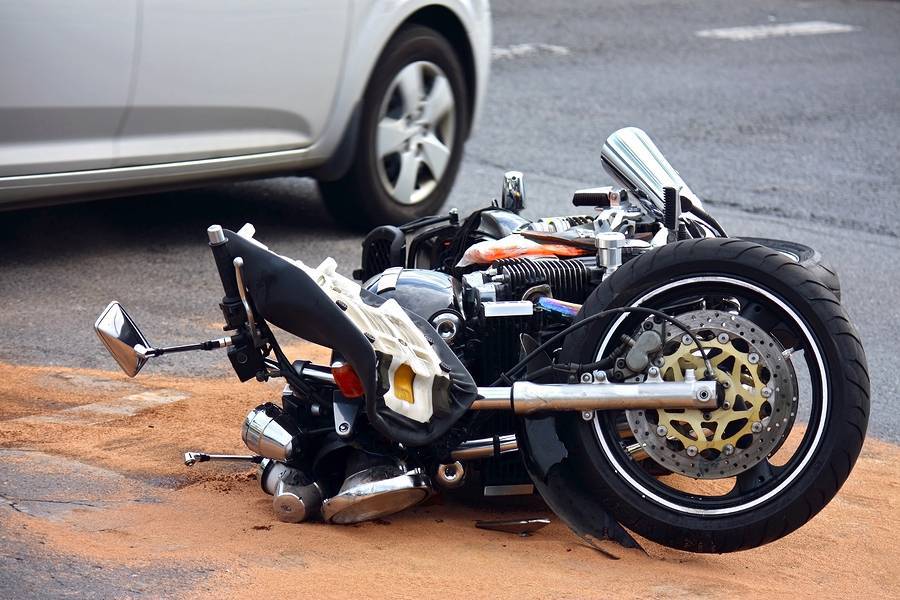
Riding a motorcycle in California, especially in a city as busy as Los Angeles, can be both exhilarating and dangerous. The roads are often congested, and distracted or reckless drivers pose a significant threat to motorcyclists. If you’ve been injured in a motorcycle accident because of someone else’s negligence, you understand firsthand how devastating these accidents can be. Knowing how defensive driving techniques can prevent crashes might not undo what has happened to you, but it can provide valuable insight into how these accidents can be avoided in the future.
Defensive driving is a proactive approach to staying safe on the road. It means anticipating potential dangers before they happen, giving yourself enough time and space to react, and understanding the behavior of other drivers. As a motorcyclist, you are more vulnerable than those in passenger vehicles, so practicing defensive driving can make a significant difference in keeping you safe.
The Importance of Defensive Driving for Motorcyclists
Motorcyclists do not have the same level of protection as those in cars. You do not have a metal frame surrounding you, airbags to cushion an impact, or the ability to withstand even minor collisions without severe consequences. Because of this, defensive driving becomes essential to avoid accidents and reduce your risk of serious injuries.
One of the most important aspects of defensive driving is always maintaining awareness. This means keeping an eye on the road ahead, checking your mirrors frequently, and scanning intersections for potential hazards. Many motorcycle accidents happen because drivers fail to see motorcycles, often turning left in front of an oncoming rider or merging into a motorcyclist’s lane without checking their blind spots. Anticipating these types of situations and preparing to react quickly can help you avoid a dangerous crash.
Speed control is another crucial part of defensive driving. While motorcycles are built for speed and agility, riding too fast can limit your ability to react to sudden changes in traffic. California’s roads are full of unexpected obstacles, from potholes to aggressive drivers cutting in and out of lanes. By riding at a reasonable speed and leaving enough space between you and the vehicle in front of you, you give yourself the time necessary to stop or swerve safely if needed.
Avoiding Dangerous Situations on the Road
Defensive driving also means avoiding situations where you could become vulnerable. Lane splitting, which is legal in California, allows motorcycles to move between lanes of stopped or slow-moving traffic. While this can be a time-saver, it also increases the risk of an accident if drivers suddenly change lanes without signaling or if they open their doors unexpectedly. If you choose to lane split, always do so cautiously and at a safe speed, staying aware of other vehicles around you.
Intersections are another high-risk area for motorcyclists. Accidents sometimes happen when a car turns left in the front of an oncoming motorcycle. To reduce this risk, slow down when approaching an intersection, even if you have the right of way. Look for signs that a car might turn, such as a driver inching forward or wheels turning before they move. Making eye contact with drivers can also help ensure they see you before they complete their turn.
Defensive driving also involves positioning yourself strategically in traffic. Avoid riding in a car’s blind spot, where the driver may not see you when changing lanes. Instead, position yourself in a way that allows you to be seen in their mirrors. Keeping a safe distance from large trucks is also crucial, as their blind spots are much larger than those of smaller vehicles. If you cannot see the truck’s mirrors, the driver likely cannot see you either.
Staying Alert and Anticipating the Actions of Others
- Another key part of defensive driving is predicting the behavior of other drivers. Many drivers fail to notice motorcycles, especially when making sudden lane changes, turning, or stopping abruptly. By staying alert and assuming that other drivers may not see you, you can take precautions to avoid an accident.
- Watch for erratic driving behavior, such as swerving, sudden braking, or drivers using their phones. Distracted drivers are one of the leading causes of accidents in California, and as a motorcyclist, you must assume that many drivers are not paying full attention to the road. If you see a driver who appears distracted or reckless, create as much distance as possible between you and their vehicle.
- Weather and road conditions can also impact your ability to ride safely. Rain can make roads slick, increasing the chances of losing traction, while debris on the road can cause a motorcycle to slide or lose control. Defensive riding means adjusting your speed and riding style based on the conditions around you. If the road appears hazardous, slow down, keep both hands firmly on the handlebars, and be prepared for sudden changes in traction.
The Role of Proper Gear in Defensive Driving
While defensive driving is primarily about your awareness and decision-making, wearing the right protective gear also plays a significant role in reducing the severity of injuries in case of an accident. A Department of Transportation-approved helmet is essential and required by California law. Helmets significantly reduce the risk of head injuries and fatalities in motorcycle crashes.
Wearing bright or reflective clothing can also make you more visible to drivers, especially at night or in low-light conditions. Many accidents happen simply because a driver failed to see a motorcyclist in time. Choosing brightly colored gear or using reflective strips on your helmet and jacket can help make you stand out.
Gloves, padded jackets, riding pants, and boots provide an additional layer of protection in the event of an accident. Even a minor crash can result in severe road rash or broken bones, so wearing proper gear is one more way to practice defensive driving by reducing the risk of injury.
Practicing Defensive Techniques
Defensive driving is not just about reacting to immediate dangers—it’s about continuously improving your skills as a rider. Taking motorcycle safety courses, even if you are an experienced rider, can help reinforce the principles of defensive driving and teach you advanced techniques for avoiding accidents. The California Motorcyclist Safety Program offers courses that can help riders of all levels improve their skills and become more aware of potential hazards on the road.
Practicing emergency maneuvers, such as sudden braking and swerving, in a controlled environment can also prepare you for real-life situations where quick thinking is necessary. The more confident and prepared you are as a rider, the better your chances of avoiding an accident caused by another driver’s negligence.
Contact Los Angeles Motorcycle Accident Lawyer Samer Hababs

Even if you practice defensive driving, accidents can still happen because of someone else’s negligence. If you have been injured in a motorcycle accident in Los Angeles, you may be entitled to compensation for your medical bills, lost wages, and other damages. You do not have to handle the aftermath of your accident alone. Contact Law Offices of Samer Habbas & Associates, PC by calling 888-848-5084 or contacting us online for a consultation. Our experienced Los Angeles motorcycle accident attorneys can help you understand your legal rights and options.




 How Do Helmet Laws Affect Motorcycle Accident Injuries?
 Free Consult
 Call 24/7