










Role of Footwear in Slip and Fall Accidents
Footwear can contribute to slip and fall accidents when shoes have worn-out soles, poor traction, or an improper fit. However, wearing unsuitable footwear does not automatically make an injured person responsible for a fall. Liability may still exist if a property owner’s unsafe condition contributed to the accident, depending on the circumstances.
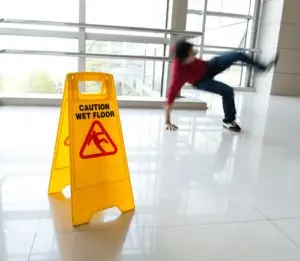 Slip and fall accidents can happen to anyone, anywhere, and at any time. These accidents often result in serious injuries, including broken bones, sprains, and head trauma. One of the key factors contributing to these accidents is the type of footwear you wear. In Los Angeles, where the weather can range from dry and sunny to wet and slippery, understanding how footwear plays a role in slip and fall accidents is crucial for your safety.
Importance of Proper Footwear
Footwear is your first line of defense against slip and fall accidents. The right shoes can provide the necessary traction and support to prevent you from slipping, especially on wet or uneven surfaces. On the other hand, wearing inappropriate footwear increases the risk of losing your balance and falling.
Shoes with non-slip soles are designed to grip the floor better, reducing the chances of slipping. These soles are often made from rubber or other materials that create friction between the shoe and the ground. This friction is essential for maintaining your stability, particularly in areas where floors might be wet or oily, such as restaurants, grocery stores, and public restrooms.
Common Types of Footwear Linked to Slip and Fall Accidents
High heels are notorious for causing slips and falls. The narrow heel provides a small surface area for support, making it easy to lose your balance. Moreover, the elevated height shifts your center of gravity, increasing the likelihood of a fall.
While comfortable and convenient, flip-flops offer little to no support and can easily slip off your feet. Their smooth soles provide minimal traction, making them unsafe on slippery or uneven surfaces.
Many dress shoes have smooth leather soles that do not provide adequate grip. This can be particularly dangerous on polished floors or wet surfaces.
Over time, the soles of shoes wear down, reducing their ability to provide traction. Wearing shoes that are past their prime can significantly increase your risk of slipping.
How Weather Affects Footwear and Slip Risks
In Los Angeles, weather conditions can greatly affect the risk of slip and fall accidents. During rainy seasons, the risk of slipping on wet surfaces increases. It’s important to wear waterproof shoes with non-slip soles during these times. Shoes designed for wet conditions often have deeper treads that channel water away, reducing the likelihood of hydroplaning.
Conversely, during dry and hot weather, the risk may come from loose dirt, gravel, or even melted tar. Wearing shoes with good grip and support can help you handle conditions more safely.
How Weather Affects Footwear and Slip Risks
In Los Angeles, weather conditions can greatly affect the risk of slip and fall accidents. During rainy seasons, the risk of slipping on wet surfaces increases. It’s important to wear waterproof shoes with non-slip soles during these times. Shoes designed for wet conditions often have deeper treads that channel water away, reducing the likelihood of hydroplaning.
Conversely, during dry and hot weather, the risk may come from loose dirt, gravel, or even melted tar. Wearing shoes with good grip and support can help you handle conditions more safely.
Workplace Footwear Policies
Many workplaces, especially those in industries like hospitality, healthcare, and construction, have specific footwear policies to reduce the risk of slip and fall accidents. These policies typically require employees to wear non-slip shoes. Employers often provide guidelines on the types of shoes that are acceptable, focusing on features like non-slip soles, proper fit, and adequate support.
The Impact of Footwear on Slip and Fall Injury Claims
In the unfortunate event of a slip and fall accident, the type of footwear you were wearing can impact the outcome of any injury claim. Insurance companies and legal professionals often examine the shoes you had on at the time of the accident to determine if they contributed to the fall.
Wearing appropriate footwear can strengthen your case, as it shows that you took reasonable precautions to prevent the accident. Conversely, if you were wearing shoes known to increase the risk of slipping, it might be more challenging to show that the accident was not your fault.
What to Do After a Slip and Fall Accident
Seek medical attention even if you feel fine, as some injuries might not be immediately apparent.
Report the accident to the property owner or manager, and make sure the details are documented. Gather evidence by taking photos of the scene, your shoes, and any visible injuries. Collect contact information from any witnesses.
Do not discard or alter the shoes you were wearing at the time of the accident, as they might be important evidence if you pursue a claim.
Contact Los Angeles Slip and Fall Lawyer Samer Habbas
 If you or a loved one has been injured in a slip and fall accident in Los Angeles, you may have legal rights and options to consider. The experienced slip and fall lawyers at Law Offices of Samer Habbas & Associates, PC can help you understand your case and guide you through the process. Contact Law Offices of Samer Habbas & Associates, PC by calling 888-848-5084 or contacting us online for a consultation.





 How Do You Prove Fault in a Slip and Fall Case in Anaheim?
  Free Consult
 Call 24/7