









Signs of a Traumatic Brain Injury After a Car Accident: What You Need to Know
Signs of a traumatic brain injury (TBI) after a car accident may include headaches, dizziness, confusion, memory problems, nausea, sensitivity to light or noise, and difficulty concentrating. Symptoms can appear immediately or develop over time, making prompt medical evaluation essential. Early diagnosis and treatment can improve recovery and help document the injury for any potential personal injury claim.
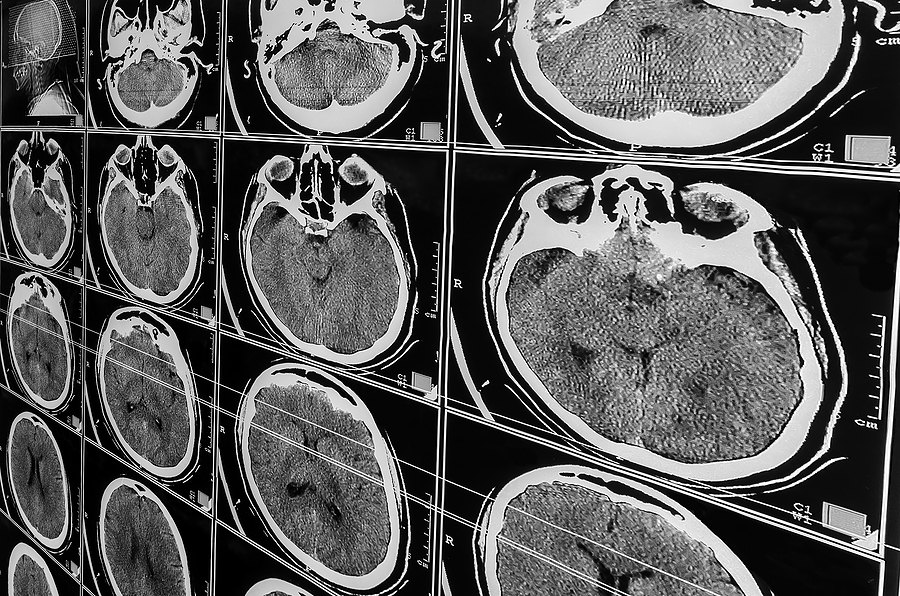
A car accident can leave you feeling rattled, in pain, and uncertain about what to do afterward. While broken bones and visible injuries are often addressed immediately, traumatic brain injuries are frequently missed or underestimated. This is dangerous, both medically and legally. If you were injured in a car accident in Orange County or elsewhere in Southern California, understanding the signs of a traumatic brain injury is essential to protecting your health and your legal rights.
Traumatic brain injuries, commonly referred to as TBIs, are among the most serious injuries that can result from a motor vehicle collision. They can affect your ability to work, think clearly, regulate emotions, and live independently. Unfortunately, insurance companies often challenge these claims, especially when symptoms are subtle or delayed. Knowing what to watch for and when to act can make a significant difference in your recovery and your case.
Understanding Traumatic Brain Injury After an Orange County Car Accident
A traumatic brain injury occurs when an external force disrupts normal brain function. In a car accident, this may happen when your head strikes the steering wheel, window, door frame, or headrest. It can also occur without direct impact, when the rapid acceleration and deceleration of a crash causes the brain to move violently within the skull.
Loss of consciousness is not required for a traumatic brain injury to occur. Many Orange County crash victims remain awake and alert after a collision but still suffer a concussion or more serious brain injury. These injuries are often described as “mild,” but that label can be misleading. Even a so-called mild traumatic brain injury can result in long-term symptoms that interfere with daily functioning.
From a legal standpoint, TBIs are complex injuries. They often require specialized medical evaluation and careful documentation to establish the connection between the accident and the injury.
Physical Symptoms That Can Signal a Brain Injury
Physical symptoms are often the first signs that something is wrong. Headaches are one of the most common indicators of a traumatic brain injury, particularly when they worsen over time or do not improve with rest or medication. Dizziness, nausea, vomiting, blurred or double vision, and sensitivity to light or noise are also common.
You may notice changes in your sleep patterns, such as sleeping far more than usual, struggling to fall asleep, or waking frequently throughout the night. Balance problems, clumsiness, or difficulty walking straight can also indicate neurological involvement.
In more severe cases, warning signs may include seizures, slurred speech, weakness or numbness in the arms or legs, or a severe headache that does not go away. Any of these symptoms require immediate medical attention and should be documented as soon as possible.
Cognitive and Emotional Changes You May Notice After the Crash
Traumatic brain injuries often affect how you think, process information, and regulate emotions. You may struggle with concentration, short-term memory, or problem-solving. Tasks that once felt routine may suddenly feel difficult or overwhelming. Many victims describe feeling mentally foggy, slowed down, or easily confused.
Emotional and behavioral changes are also common. You may experience irritability, mood swings, anxiety, depression, or sudden anger. Loved ones often notice personality changes before the injured person recognizes them. These changes are not character flaws; they are medical symptoms of a brain injury.
From a legal perspective, these cognitive and emotional effects are critical. They directly impact your quality of life and your ability to earn a living, which are compensable damages under California law.
Delayed Symptoms and Why Early Medical Care Matters
One of the most challenging aspects of traumatic brain injuries is that symptoms are often delayed. You may feel relatively normal at the accident scene and only begin experiencing problems days or even weeks later. This delay can create medical and legal complications if not handled properly.
Prompt medical evaluation creates a clear record linking your symptoms to the car accident. Without early documentation, insurance companies frequently argue that your condition was caused by something else or existed before the crash.
Under California Code of Civil Procedure § 335.1, you generally have two years from the date of injury to file a personal injury lawsuit. While that may sound like a long time, waiting to seek medical care or legal guidance can seriously weaken your claim.
Long-Term Consequences of Traumatic Brain Injuries
The long-term effects of a traumatic brain injury can be devastating. Some victims require ongoing medical treatment, physical therapy, occupational therapy, cognitive rehabilitation, or mental health counseling. Others are unable to return to their previous employment or must accept reduced responsibilities and pay.
TBIs can affect relationships, independence, and overall quality of life. These are not temporary inconveniences. In many cases, the full impact of a brain injury is not known for months or years.
California law allows injured victims to pursue compensation for medical expenses, lost wages, loss of future earning capacity, and pain and suffering. California applies a pure comparative fault system under Civil Code § 1431.2, meaning you may still recover damages even if you were partially at fault for the accident, although your recovery may be reduced proportionally.
Why Insurance Companies Fight Brain Injury Claims
Insurance companies routinely challenge traumatic brain injury claims. These injuries are not always visible on CT scans or MRIs, particularly in the early stages. Adjusters may argue that your symptoms are subjective, exaggerated, or unrelated to the accident.
You may be pressured to give recorded statements, sign medical authorizations, or accept a quick settlement before the full extent of your injury is known. Once a settlement is accepted, you generally cannot reopen the claim, even if your condition worsens.
Orange County California Traumatic Brain Injury Lawyer

If you or a loved one suffered a traumatic brain injury in a car accident in Orange County, you should speak with an attorney who understands both the medical and legal complexities of these cases. Traumatic brain injury claims require careful investigation, coordination with medical professionals, and a thorough understanding of California personal injury law.
The Orange County California traumatic brain injury lawyers at Law Offices of Samer Habbas & Associates represent accident victims who are facing life-altering injuries. They understand how insurance companies evaluate these claims and how to present evidence that accurately reflects the impact of a brain injury on your life.
You are encouraged to contact Law Offices of Samer Habbas & Associates by calling (888) 848-5084 or contacting us online for a free consultation. Speaking with an experienced Orange County personal injury lawyer can help you understand your legal rights and options and determine the next steps toward protecting your future.





 Traumatic Brain Injury Rehabilitation: Proven Therapies for Recovery
 Free Consult
 Call 24/7