









The Hidden Impact of Riverside’s Traffic Patterns
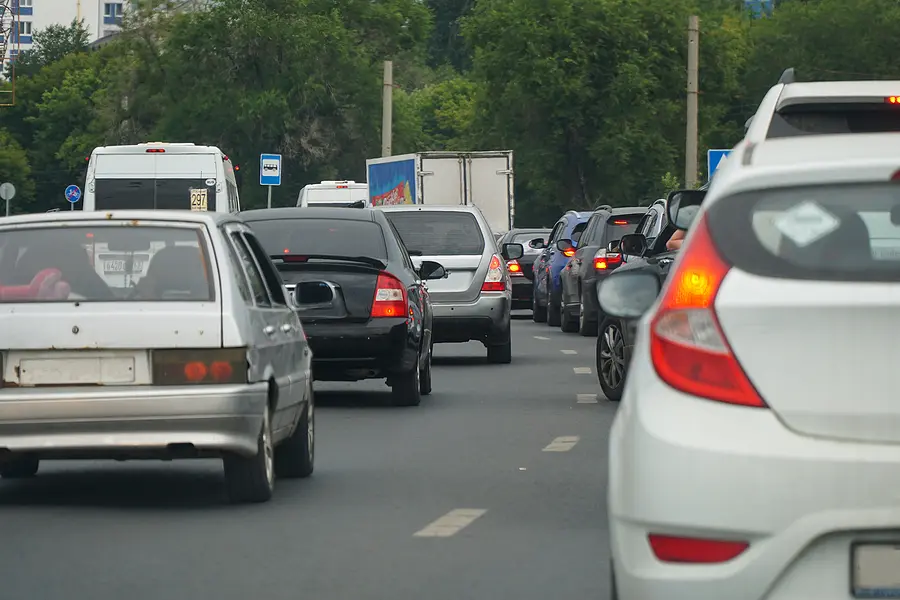
When thinking about California traffic, your mind might jump to the congested freeways of Los Angeles or the iconic Golden Gate Bridge in San Francisco. However, Riverside’s traffic patterns, while less talked about, have a profound and often hidden impact on drivers in the region. If you’ve been injured in Los Angeles due to someone else’s negligence, it’s worth understanding how Riverside’s traffic flows can influence safety and risks on the road. These patterns ripple far beyond Riverside’s borders, shaping driving experiences and hazards across Southern California.
Riverside’s Traffic Dynamics: An Overlooked Problem
Riverside is a central hub for commuters traveling to major cities such as Los Angeles, San Bernardino, and Orange County. This positioning creates a unique blend of local and long-distance traffic. Highways like 91, 60, and 215 freeways funnel thousands of vehicles through Riverside daily, creating conditions ripe for congestion, accidents, and roadway stress.
The blending of different driving styles adds to the complexity. You’ll encounter everything from cautious locals to hurried out-of-town commuters trying to beat the clock. Add to this mix heavy truck traffic from nearby industrial hubs and logistics centers, and the potential for accidents skyrockets. The ripple effect of Riverside’s traffic extends into neighboring regions, increasing risks for drivers in Los Angeles who find themselves sharing the road with Riverside-bound travelers.
The Role of Infrastructure and Congestion
Despite numerous efforts to improve Riverside’s infrastructure, the city faces significant challenges with outdated road designs and overburdened freeways. The 91 Freeway, notorious for its congestion, serves as a major artery connecting Riverside to Orange County and beyond. The daily bottlenecks on this freeway force drivers to make split-second decisions, often leading to accidents caused by merging errors, rear-end collisions, and lane-splitting misjudgments.
For Los Angeles drivers, understanding the dynamics of Riverside’s traffic can be crucial. Many drivers unfamiliar with Riverside’s infrastructure enter the area unprepared for the abrupt lane changes and exit ramps that characterize its highways. Accidents stemming from these situations often cascade back onto neighboring regions, affecting the flow of traffic and increasing risks for all drivers.
The Impact on Pedestrians and Cyclists
While much of the focus on Riverside traffic centers on vehicles, pedestrians and cyclists also face significant challenges. As Riverside continues to grow, so does the demand for walkable neighborhoods and bike-friendly routes. Unfortunately, many of these initiatives remain underfunded or incomplete, leaving cyclists and pedestrians vulnerable.
The result? A troubling increase in accidents involving non-motorized travelers. Pedestrians attempting to cross busy intersections or cyclists navigating narrow lanes often become unintended victims of Riverside’s traffic complexities. If you’ve been injured in Los Angeles as a pedestrian or cyclist, it’s worth considering how these traffic dynamics might play a role in your situation. The interconnectedness of regional traffic flows means that Riverside’s design flaws could contribute to unsafe conditions far beyond its borders.
The Human Cost of Traffic-Related Injuries
For those injured in car accidents or other traffic-related incidents, the consequences extend far beyond the initial crash. Victims often face physical pain, emotional distress, and financial burdens from medical bills and lost income. Riverside’s traffic patterns, characterized by frequent stops, sudden congestion, and high-speed transitions, are a breeding ground for severe accidents. These incidents often lead to serious injuries, including spinal damage, broken bones, and traumatic brain injuries.
For Los Angeles residents, this hidden connection to Riverside traffic can be a frustrating realization. It highlights how even the safest and most cautious drivers can become victims due to external factors like poor roadway design, high congestion, and unpredictable commuter behavior. Understanding these patterns can help you better navigate these roads and avoid potential dangers.
Steps You Can Take to Protect Yourself
Staying safe on the road requires vigilance and preparation, especially when driving in areas influenced by Riverside’s traffic patterns. Defensive driving is crucial when navigating congested freeways or merging onto busy highways. Anticipating sudden stops and being mindful of large trucks or aggressive drivers can help reduce the risk of accidents.
If you’re traveling through or near Riverside, familiarize yourself with the most congested routes and plan alternative paths when possible. Apps that provide real-time traffic updates can be invaluable, helping you avoid areas prone to accidents and delays. If you’re walking or biking, always stay alert and use designated crossings and bike lanes when available.
Contact Los Angeles Traffic Injury Lawyer Samer Habbas

If you’ve been injured in an accident, you deserve to understand your legal rights and options. Whether your injury stems from a car crash, a pedestrian incident, or another traffic-related cause, the car accident lawyers at Law Offices of Samer Habbas & Associates, PC can help. With years of experience handling personal injury cases, we understand how to navigate the intricacies of Southern California’s car crashes, including those influenced by Riverside’s unique traffic patterns. Contact Law Offices of Samer Habbas & Associates, PC by calling 949-727-9300 or contacting us online for a consultation.





 Protecting Yourself from Low-Value Insurance Settlements After an Accident
  Free Consult
 Call 24/7