








Victims Killed in Catalina Island Helicopter Crash Identified
Legal Guide by Samer Habbas & Associates, PC
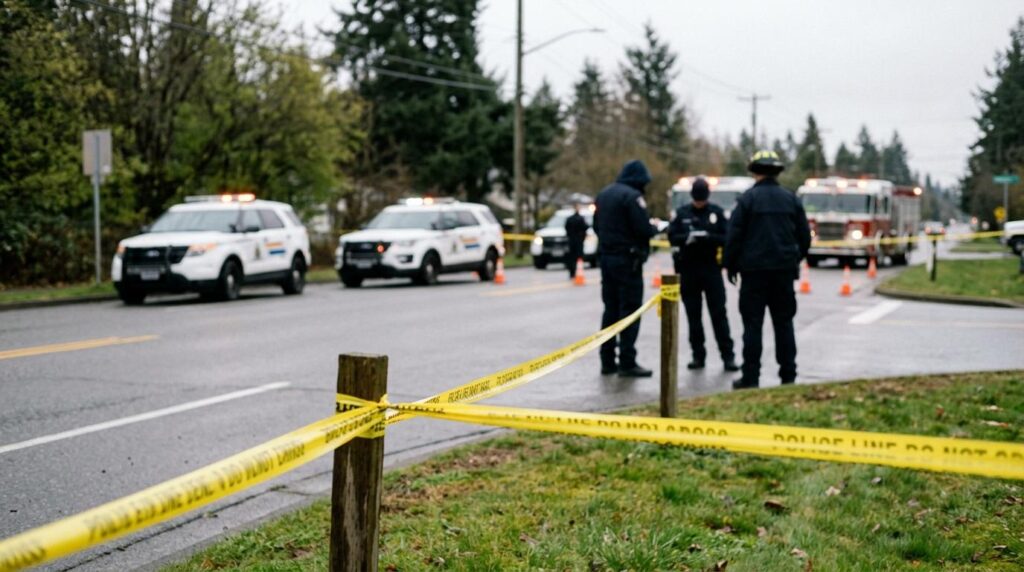
The tragic loss of life in an aviation disaster leaves families grappling with sudden, profound grief and unanswered questions. On September 30, a medical evacuation helicopter carrying five people crashed into the Pacific Ocean waters off Catalina Island shortly after takeoff, killing three occupants. The flight was en route to transport an island resident suffering from an acute medical emergency—a life-threatening food allergic reaction—to an emergency medical facility on the Southern California mainland. When individuals place their trust and safety in emergency medical transport providers, they expect the highest standard of operational care and safety. When catastrophic failures occur, surviving family members and injured survivors are left to navigate devastating personal trauma alongside complex legal and financial realities.
If you or someone you love has been affected by a fatal aircraft or transportation catastrophe, you do not have to carry this immense burden alone. When a family loses a loved one in a preventable aviation tragedy, consulting an experienced Anaheim wrongful death lawyer is an essential first step toward obtaining justice, demanding accountability, and protecting your family’s future under California Code of Civil Procedure (CCP) § 377.60. Surviving passengers who suffer catastrophic trauma—such as severe neurological impact requiring the guidance of a dedicated Anaheim brain injury lawyer—also have immediate legal rights that must be safeguarded. Under California Code of Civil Procedure (CCP) § 335.1, victims and surviving heirs face strict time limits to take legal action. The Law Offices of Samer Habbas & Associates, PC stands ready to guide you through the process and fight for you and your family to secure the comprehensive compensation you deserve.
About the Catalina Island Fatal Helicopter Crash
According to reports originally published by KTLA News and aggregated across Google News, authorities have officially identified the three victims who lost their lives when an emergency medical helicopter plunged into the waters off the coast of Santa Catalina Island. The emergency transport flight had departed from the island carrying an Avalon resident, identified as Hernandez, who required urgent mainland hospital care for a severe allergic reaction. Moments after takeoff, the aircraft lost altitude and impacted the water, resulting in three fatalities while two other occupants survived with severe injuries.
Multi-agency search, rescue, and investigative operations were mobilized immediately following the incident, involving the Los Angeles County Sheriff’s Department (LASD) Avalon Station, the Los Angeles County Fire Department, the United States Coast Guard (USCG), the Federal Aviation Administration (FAA), and the National Transportation Safety Board (NTSB). Federal investigators from the NTSB are leading the inquiry into the physical wreckage, flight trajectory data, meteorological conditions, communications records, and maintenance logs to uncover why the aircraft failed to maintain flight.
Aviation accidents of this nature frequently involve complex and intersecting factors, including mechanical breakdown, engine power loss, tail-rotor failure, spatial disorientation during overwater night departures, inadequate pre-flight risk assessment, improper airframe maintenance, or pilot fatigue. From a legal standpoint, commercial and medical air transport operators are classified under California law as common carriers. Under California Civil Code § 2100, common carriers owe the utmost care and diligence for the safe carriage of their passengers and must provide everything necessary for that purpose. Determining liability in this disaster requires a rigorous examination of whether the flight service operator, maintenance contractor, aircraft manufacturer, or emergency dispatch protocol breached the legal duties owed to the patients and crew aboard.
Why Island Medical Flights and Offshore Aviation Are So Dangerous for Passengers and Crew
Operating rotary-wing aircraft across coastal and overwater corridors presents distinct aerodynamic and environmental challenges that require flawless operational execution. Flights departing Santa Catalina Island—whether from the mountaintop Catalina Airport (often called the “Airport in the Sky”) or coastal helipads near Avalon and Pebbly Beach—must immediately transition from land to open ocean. When departures occur at night or under adverse meteorological conditions, pilots can experience rapid visual degradation, commonly referred to in aviation as the “black hole” illusion, where the absence of terrestrial horizon lights over dark ocean waters induces severe spatial disorientation.
Data from the National Transportation Safety Board (NTSB) and the Federal Aviation Administration (FAA) consistently demonstrate that emergency medical services (EMS) helicopter operations face heightened statistical risk compared to standard commercial aviation. The high-stakes nature of emergency evacuations introduces implicit psychological pressures to launch rapidly under urgent timeframes, occasionally leading operators to fly into marginal weather conditions, coastal marine layers, or dense offshore fog banks without adequate instrument clearance.
Furthermore, coastal infrastructure, helipad landing surfaces, lighting arrays, and takeoff corridors play an essential role in flight safety. In accidents where ocean impacts occur immediately post-takeoff, legal investigations also evaluate whether public or private property conditions contributed to the catastrophe. Under California Government Code § 835, a public entity may be held liable for personal injury or wrongful death if an accident was caused by a dangerous condition of public property that created a reasonably foreseeable risk of the kind of injury incurred, provided the entity had actual or constructive notice of the defect. While water impact crashes may raise maritime considerations similar to those evaluated by a Culver City drowning accident lawyer, aviation disasters demand specialized aeronautical litigation capabilities to hold commercial operators and facility managers accountable.
California Wrongful Death Law: What Families of Helicopter Crash Victims Can Recover
When a family loses a loved one due to another party’s negligence or reckless conduct, California statutory law provides two distinct legal avenues for financial recovery: a wrongful death action and a survival action. Understanding the precise distinction between these remedies is essential for grieving families pursuing accountability:
- California Wrongful Death Actions (CCP § 377.60): A wrongful death claim is brought by the surviving statutory heirs—typically the decedent’s surviving spouse, domestic partner, children, or dependent parents—to compensate them for the direct losses they have suffered as a result of their loved one’s passing. Recoverable damages under CCP § 377.60 include:
- Financial support that the deceased would have provided to the family over their lifetime.
- The reasonable value of household services the deceased performed.
- Funeral and burial expenses incurred by the family.
- Loss of love, companionship, comfort, care, assistance, protection, affection, society, and moral support (non-economic damages).
- Loss of consortium for a surviving spouse or registered domestic partner.
- California Survival Actions (CCP § 377.30): A survival action is brought by the personal representative of the deceased person’s estate on behalf of the estate itself. Rather than compensating the heirs for their personal emotional and financial loss, a survival action addresses the claims and damages the victim would have been entitled to recover had they survived. Under CCP § 377.30, damages recoverable by the estate include:
- Medical expenses and hospitalization charges incurred between the incident and the time of death.
- Lost wages, property damage, and out-of-pocket financial losses incurred prior to death.
- Pre-death pain, suffering, or disfigurement endured by the victim before passing (recognized under recent California legislative reforms).
- Punitive or exemplary damages, if the defendant’s conduct demonstrated oppression, fraud, or malice under California Civil Code § 3294.
Who Can Be Held Liable When a Victim Is Killed in an Aviation Accident?
Aviation crashes rarely stem from a single, isolated mistake; more frequently, they are the culmination of a chain of failures involving multiple corporate entities, contractors, and individuals. A comprehensive legal investigation must evaluate all potential defendants:
The Helicopter Operator and Flight Crew
Emergency medical helicopter services operate as commercial entities and common carriers. Under California law, common carriers are bound to exercise the highest degree of vigilance, foresight, and care to protect passengers from harm. If the pilot committed errors due to lack of certification, inadequate instrument rating, fatigue, failure to review weather advisories, or improper emergency autorotation procedures, the operating company is vicariously liable under the doctrine of respondeat superior. In addition, vehicle and aircraft ownership liability principles—analogous to California Vehicle Code § 17150—hold registered aircraft owners responsible for deaths and injuries resulting from negligence in the permissive operation of their aircraft.
Aviation Maintenance Contractors and Service Providers
Rotary aircraft require meticulous maintenance, stringent turbine inspections, and strict adherence to FAA airworthiness directives. Third-party maintenance, repair, and overhaul (MRO) contractors can be held liable if they failed to identify mechanical wear, improperly assembled critical components, ignored mandatory service bulletins, or signed off on unairworthy aircraft. Incomplete or falsified logbook entries represent clear evidence of negligence in aviation litigation.
Aircraft and Component Manufacturers (Strict Product Liability)
If an investigation reveals that the crash was triggered by a mechanical defect—such as engine flameout, transmission failure, cyclic or collective control severance, or rotor blade delamination—the manufacturer of the aircraft or defective sub-component can be held strictly liable under California product liability law. In strict liability claims, the plaintiff is not required to prove direct negligence, but rather that a design defect, manufacturing defect, or failure to provide adequate warnings rendered the aircraft unreasonably dangerous for its intended use.
Government Entities — Airport, Helipad, and Air Traffic Control Defects
In cases where public facilities, municipal helipads, or regional emergency management bodies contributed to an accident through hazardous site conditions, obstructed flight corridors, or negligent dispatching, government liability may arise under California Government Code § 835. Furthermore, if air traffic controllers employed by the federal government failed to provide required radar warnings or altitude advisories, claims may proceed under the Federal Tort Claims Act (FTCA). However, pursuing government entities requires strict adherence to expedited administrative claim filing deadlines, including the 6-month claim presentation rule set forth in California Government Code § 911.2.
California’s Pure Comparative Fault System
When defending wrongful death and aviation injury lawsuits, corporate defense attorneys and commercial insurance carriers often attempt to deflect blame, alleging that adverse weather, unanticipated ocean swells, or third-party actions caused the disaster. In California, civil liability is governed by the pure comparative fault doctrine established by the California Supreme Court in Li v. Yellow Cab Co. (1975).
Under pure comparative fault rules, liability and financial damages are apportioned directly according to each party’s percentage of fault. In passenger cases—especially those involving an emergency patient being airlifted for medical treatment—the victim bears zero legal fault for the incident. Even in complex scenarios where multiple defendants (e.g., the aircraft operator, the maintenance company, and an equipment manufacturer) each share partial blame, California’s comparative fault rules ensure that plaintiffs are not barred from recovery. Instead, each liable tortfeasor can be held financially responsible for their proportional share of the harm inflicted on the victims and their families.
Statute of Limitations: Don’t Wait to Protect Your Family’s Rights
Following a catastrophic aviation accident, families are understandably overwhelmed by grief and funeral preparations. However, the legal timeline for protecting your family’s rights begins running immediately on the date of the incident:
- Private Entity Claims: Under California Code of Civil Procedure (CCP) § 335.1, the general statute of limitations for personal injury and wrongful death actions against private defendants (such as helicopter transport operators, charter flight corporations, pilots, and maintenance providers) is two (2) years from the date of the injury or death.
- Government Entity Claims: If any municipal agency, county department, or state entity bears responsibility—such as through the negligent maintenance of a public landing facility under Government Code § 835—an administrative claim must be formally filed under California Government Code § 911.2 within six (6) months of the incident. Missing this mandatory six-month administrative deadline almost always bars the family from pursuing legal action in court.
- Federal Claims (FTCA): Claims involving the Federal Aviation Administration (FAA) or federal air traffic control facilities under the Federal Tort Claims Act must be initiated via Form SF-95 within two years, followed by specific statutory litigation windows.
Waiting to consult an attorney jeopardizes critical evidence. In offshore helicopter crashes, saltwater accelerates corrosion of mechanical wreckage, electronic flight data monitoring systems can be compromised, radar archives may be overwritten, and corporate communications risk being lost. Immediate legal intervention ensures that formal evidence preservation notices (spoliation letters) are issued to all corporate and governmental custodians.
What Samer Habbas & Associates, PC Does When We Take a Wrongful Death Case
At the Law Offices of Samer Habbas & Associates, PC, we understand that behind every headline is a family whose world has been permanently altered. When our firm is retained in a wrongful death or aviation disaster case, our legal team takes immediate, decisive action to uncover the truth and build an unshakeable claim:
- Immediate Investigation & Spoliation Notices: We immediately dispatch seasoned private investigators and issue formal spoliation letters to the aircraft operator, insurers, and maintenance facilities, demanding the preservation of cockpit voice recorders (CVR), flight data recorders (FDR), GPS telemetry, maintenance logs, pilot training files, and internal corporate emails.
- Retaining Top Aeronautical & Medical Experts: We partner with nationally recognized aviation accident reconstructionists, aeronautical engineers, former NTSB investigators, and medical specialists to independently analyze the wreckage, radar plots, and operational factors.
- Navigating Parallel Federal Inquiries: While the NTSB conducts its official safety investigation, our attorneys monitor proceedings, review public factual dockets, and prepare civil liability claims that hold every negligent entity accountable.
- Calculating the Full Scope of Lifetime Losses: Working alongside forensic economists, vocational experts, and life care planners, we quantify the true financial and human cost of your loss—ensuring insurance carriers cannot undervalue the support, love, and security taken from your family.
- Relentless Trial Preparation: We prepare every case as though it will go to trial before a jury, providing the leverage necessary to achieve maximum settlements and verdicts.
With Hundreds of Millions Recovered & Counting, our firm has recovered more than $380,000,000 for injured victims and grieving families across Southern California. Our proven track record of life-changing results includes:
- $11,000,000 — Top single catastrophic injury recovery
- $4,007,015.24 — Notable catastrophic settlement
- $3,450,000 — Notable wrongful death and catastrophic recovery
- $2,675,000 — Notable wrongful death settlement
- $2,500,000 — Notable personal injury and accident settlement
- $2,250,000 — Notable motor vehicle and transport settlement
- $1,700,000 — Notable wrongful death recovery
We invite you to view our full case results to see how our relentless courtroom advocacy protects clients in their most vulnerable moments.
Frequently Asked Questions — Fatal Helicopter Accidents in California
Who has the legal right to file a wrongful death lawsuit in California after a fatal aircraft crash?
Under California Code of Civil Procedure (CCP) § 377.60, the primary parties entitled to file a wrongful death lawsuit are the decedent’s surviving spouse, domestic partner, and biological or adopted children. If none exist, the action may be filed by anyone who would be entitled to the decedent’s property through intestate succession, such as surviving parents or siblings. In addition, individuals who were financially dependent on the deceased, such as stepchildren or putative spouses, may also have standing to pursue a claim.
How long does our family have to file a wrongful death lawsuit after an aviation crash?
Under California Code of Civil Procedure § 335.1, you generally have two (2) years from the date of your loved one’s death to file a wrongful death lawsuit against private companies, such as the helicopter transport carrier, pilot, or aircraft manufacturer. However, if a government agency or municipal entity is involved (such as a county airport, municipal helipad, or public health agency), you must file a formal government claim under California Government Code § 911.2 within just six (6) months.
What is the primary difference between a wrongful death claim and a survival action?
A wrongful death claim (CCP § 377.60) belongs to the surviving heirs and compensates them for their own personal losses resulting from the death—including lost financial support, loss of household services, and loss of love, companionship, and emotional support. A survival action (CCP § 377.30) belongs to the decedent’s estate and recovers damages that the deceased person incurred prior to passing away, including pre-death hospital costs, lost earnings, and pre-death pain and suffering.
Can surviving families recover punitive damages against a negligent helicopter operator?
Punitive damages are generally not recoverable in a standard California wrongful death lawsuit under CCP § 377.60. However, punitive damages can be recovered through a survival action under CCP § 377.30 on behalf of the decedent’s estate if it is proven by clear and convincing evidence that the defendant acted with malice, oppression, or conscious disregard for human life—such as knowingly flying an unairworthy aircraft, falsifying safety inspections, or operating in severe weather in violation of federal flight regulations.
Can a medical transport company avoid liability by claiming the patient suffered from a pre-existing medical condition?
No. When an emergency medical helicopter service accepts a patient for transport, it assumes a strict common carrier duty under California Civil Code § 2100 to exercise the highest level of care. Under California’s “eggshell plaintiff” legal doctrine, a defendant must take the victim as they find them. The fact that the passenger was suffering from an acute medical emergency—such as an allergic reaction—does not excuse or mitigate the operator’s legal responsibility for causing an aircraft crash.
Should our family speak with the helicopter company’s insurance adjusters or sign release forms?
You should never provide a recorded statement, answer substantive questions, or sign any documents presented by insurance adjusters, corporate risk managers, or investigators from the aircraft operator before consulting an attorney. Insurance companies frequently reach out to grieving families quickly in an effort to secure damaging statements or offer early, inadequate settlements that extinguish the family’s right to pursue full financial recovery.
How much does it cost to retain Samer Habbas & Associates, PC for an aviation wrongful death case?
At Samer Habbas & Associates, PC, we represent clients on a 100% contingency fee basis under our “No Fee Unless We Win” guarantee. You pay nothing upfront, and our firm covers all investigative expenses, expert witness retainers, and filing costs. We only receive legal fees if we successfully resolve your case through a negotiated settlement or courtroom trial verdict.
Contact Samer Habbas & Associates, PC After a Fatal Helicopter Accident
Have You Suffered the Loss of a Loved One in an Accident?
When catastrophic aviation crashes take the lives of loved ones, you need an aggressive, compassionate legal team that will guide you through the process and fight for you and your family. The Law Offices of Samer Habbas & Associates, PC brings the full force of our investigative resources, financial strength, and courtroom skill to hold negligent corporations accountable and demand justice.
We are available 24/7 to provide immediate, confidential support. With over $380,000,000 recovered for our clients, there are zero upfront costs and you pay no fee unless we win your case.
FREE CASE REVIEW: (888) 848-5084 VISIT HABBASPILAW.COM
Primary Office: 200 Spectrum Center Dr, Suite 1230, Irvine, CA 92618 | Direct: (949) 379-1424
Additional Offices: Anaheim: (714) 786-1404 | El Segundo | Culver City | Los Angeles
 Southern California Building Fire and Explosion Causes Catastrophic Injuries
  Free Consult
 Call 24/7