









How 18-Wheeler Truck Accident Lawsuits Differ From Regular Car Accidents
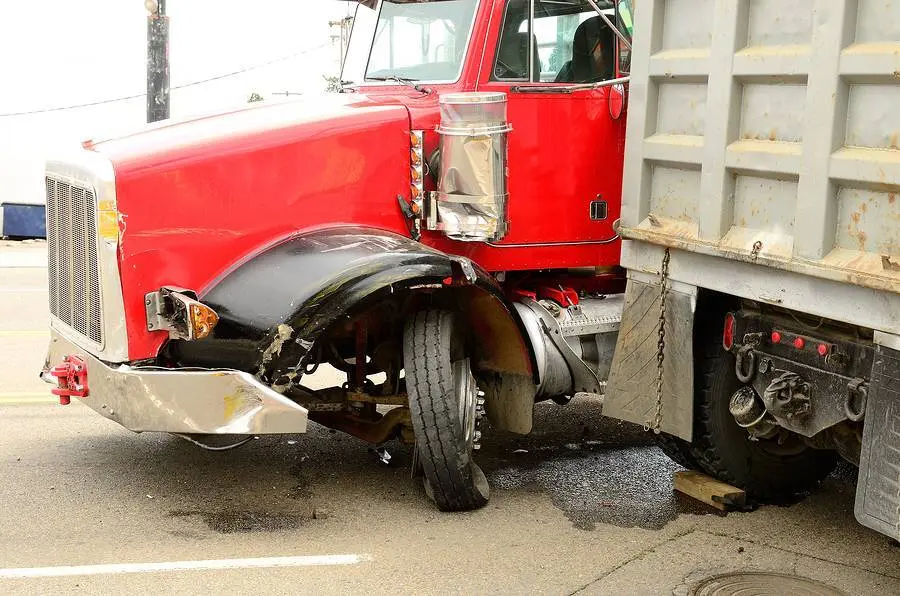
When you are injured in a collision involving an 18-wheeler or another commercial vehicle in Orange County, California, the legal process is far more complex than a typical car accident claim. These cases involve multiple layers of state and federal regulations, commercial insurance coverage, and numerous potentially liable parties. Understanding these distinctions is essential to protect your rights and maximize your recovery under California law. This article, prepared by Law Offices of Samer Habbas & Associates, explains how 18-wheeler truck accident cases differ from standard automobile collisions and what those differences mean for you as an injury victim in Orange County.
The Magnitude and Complexity of 18-Wheeler Accidents
The scale of an 18-wheeler accident makes it vastly different from an ordinary vehicle crash. A tractor-trailer can weigh up to 80,000 pounds under California Vehicle Code § 35550, compared to about 4,000 pounds for an average passenger car. The enormous force of such a vehicle often causes catastrophic or fatal injuries, including traumatic brain injuries, spinal cord damage, and multiple fractures.
This scale also leads to complex liability issues. While a typical car crash usually involves two drivers and their insurers, an 18-wheeler accident may involve the driver, the trucking company, the cargo loader, maintenance contractors, and sometimes manufacturers of defective parts. Each of these parties can share responsibility depending on the facts of the case.
Federal and State Regulations Affecting Liability
Commercial trucking operations are governed by both federal and state law. The Federal Motor Carrier Safety Regulations (FMCSR), administered by the Federal Motor Carrier Safety Administration (FMCSA), establish rules regarding driver qualifications, vehicle maintenance, hours of service, and load limits. California adds its own requirements under the California Vehicle Code § § 34500–34520, imposing stricter inspection and operational standards for carriers within the state.
Violations of these laws can be strong evidence of negligence. For example, failing to maintain a truck may establish liability if that neglect contributes to an accident. Similarly, a driver who exceeds hours-of-service limits and causes a crash may be found negligent per se under California Evidence Code § 669, which recognizes that breaking a safety law can automatically constitute negligence when it causes injury.
Evidence Collection and Preservation
Evidence handling in an 18-wheeler accident case differs substantially from that in a typical car accident. Commercial trucks are equipped with electronic logging devices (ELDs) and data recorders (“black boxes”) that track speed, braking, rest periods, and other operational data. This evidence can be critical in proving fault, but it is usually controlled by the trucking company and can be lost or altered without prompt legal action.
An attorney can send a spoliation or preservation letter to ensure this evidence is retained. If a company fails to preserve data after receiving such notice, courts may impose sanctions. Gathering this evidence early is vital, as delays can lead to the permanent loss of critical proof needed to demonstrate regulatory violations or unsafe practices.
Comparative Negligence Under California Law
California applies the rule of pure comparative negligence under California Civil Code § 1714 and California Civil Jury Instructions (CACI) No. 405. This means you can still recover compensation even if you share some fault for the accident, though your damages will be reduced by your percentage of responsibility.
In truck accident litigation, defendants frequently try to shift blame to the injured driver. A strong legal strategy is essential to counter these arguments, demonstrate the trucking company’s role, and ensure that liability is accurately assigned based on the evidence.
Insurance Coverage and Settlement Considerations
Commercial trucking companies are required to carry far more insurance than ordinary motorists. Under 49 C.F.R. § 387.9 and California Vehicle Code § 34631.5, commercial carriers must maintain between $750,000 and $5,000,000 in liability coverage depending on the type of cargo hauled. While this means greater potential compensation for victims, trucking insurers often respond quickly to protect their financial interests, deploying investigators and defense counsel immediately after a crash.
Because of these aggressive tactics, you should never negotiate directly with a trucking company’s insurer without legal representation. Settlement discussions in these cases demand a deep understanding of both insurance law and transportation regulations to ensure your compensation reflects the true extent of your losses.
Litigation and Procedural Differences
Truck accident litigation in California involves more complex discovery than a regular car accident case. Attorneys must obtain the trucking company’s safety policies, driver logs, employment records, inspection reports, and maintenance documentation to uncover regulatory violations or negligent hiring and supervision practices. Expert testimony from accident reconstructionists, trucking safety specialists, and medical professionals often plays a key role in presenting a complete case.
The statute of limitations for personal injury actions in California is two years under California Code of Civil Procedure § 335.1. However, truck accident cases often require extensive investigation, so contacting an attorney as early as possible is crucial to preserve evidence and meet filing deadlines.
Damages in Truck Accident Claims
Because of the severity of injuries and the scope of losses involved, damages in 18-wheeler accident cases are typically higher than in ordinary car accidents. Victims may recover compensation for medical expenses, lost wages, reduced earning capacity, pain and suffering, and long-term care. In cases involving gross negligence or reckless disregard for safety, punitive damages may be available under California Civil Code § 3294.
Calculating these damages accurately requires coordination among medical experts, economists, and experienced personal injury attorneys who understand both the legal and practical implications of catastrophic injuries.
Contact Orange County Truck Accident Lawyer Samer Habbas

If you or a loved one has been seriously injured in an 18-wheeler or commercial truck accident in Orange County, California, you need an attorney who understands both the technical and legal challenges of these cases. Law Offices of Samer Habbas & Associates has extensive experience handling complex truck accident claims throughout California, securing justice for victims against negligent trucking companies and their insurers.
To discuss your legal rights and options, contact Law Offices of Samer Habbas & Associates by calling 949-727-9300 or contacting us online for a free consultation.





 Driver Negligence: Holding Truck Operators Accountable For Accidents In California
 Free Consult
 Call 24/7