









How Can You Access Traffic Cam Footage After a Truck Accident?
To access traffic camera footage after a truck accident, first identify which agency operates the camera and submit a public records request with the accident date, time, and exact location. Act quickly because some traffic cameras may not record or retain footage. Caltrans states that many of its traffic cameras are used for live traffic management and do not save video.
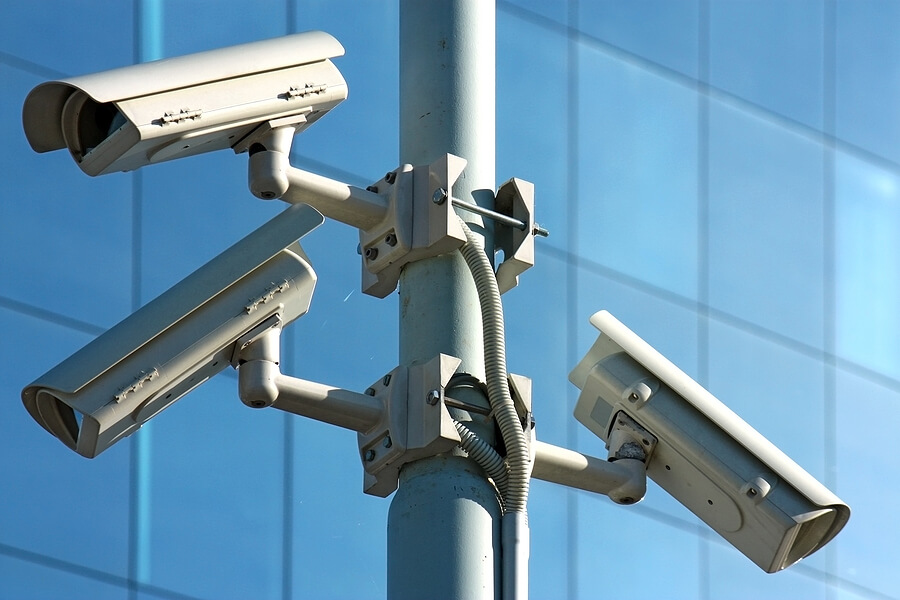
If you’ve been injured in a truck accident in Los Angeles, you may be looking for evidence to prove what happened. Traffic camera footage can be crucial in showing how the accident occurred and who was at fault. These cameras are installed at intersections, highways, and major roads throughout California, often recording the moments leading up to a crash. If you’re trying to obtain this footage, it’s important to act quickly and follow the right steps. Here’s what you need to know about accessing traffic cam footage after a truck accident in California.
Understanding Traffic Camera Footage and Its Importance
Traffic cameras are operated by different agencies, including the California Department of Transportation (Caltrans), the Los Angeles Department of Transportation (LADOT), and private businesses. These cameras may capture valuable evidence, such as the truck driver’s actions before the crash, the speed of the vehicle, and any traffic violations that contributed to the accident. This footage can provide an unbiased account of the accident and help show liability.
In many cases, truck accidents involve severe injuries because of the size and weight of commercial trucks. If you suffered injuries because of a negligent truck driver, poorly maintained roads, or a reckless third party, having video evidence can strengthen your case. However, accessing this footage is not always simple, and it often requires prompt action before the recordings are deleted or overwritten.
Who Controls Traffic Camera Footage in California?
The availability of traffic camera footage depends on the type of camera that captured the incident. Some of the most common sources include:
- City and State Traffic Cameras: LADOT and Caltrans manage many traffic cameras throughout Los Angeles. These cameras typically provide real-time monitoring for traffic flow rather than storing long-term recordings. However, some government agencies may retain footage for a limited time.
- Red-Light Cameras: Many intersections in Los Angeles have red-light cameras that capture images and short video clips when a vehicle runs a red light. If your accident happened at one of these intersections, the footage may be available through the city or the company managing the cameras.
- Private Business and Security Cameras: Businesses near intersections, gas stations, convenience stores, and parking lots often have security cameras that may have recorded the accident. If a business owns the footage, you may need to request it directly from them.
- Dash Cams and Nearby Surveillance Cameras: Some vehicles, including commercial trucks, may have dash cams that recorded the crash. Additionally, security cameras from nearby homes or buildings may have captured the accident.
Steps to Obtain Traffic Cam Footage After a Truck Accident
Because traffic cam footage is not always stored for long periods, it’s crucial to act quickly. Here are the steps you should take to try and obtain this evidence:
- Determine the Location of the Cameras: After your accident, try to identify any nearby cameras that may have captured what happened. Look for traffic signals, toll booths, nearby businesses, and surveillance cameras at gas stations or convenience stores.
- Check with Government Agencies: If a government-owned camera may have recorded the crash, you can contact LADOT or Caltrans to request the footage. However, many of these cameras are live-streamed rather than recorded, meaning the footage may not be available. If the camera was a red-light camera, the footage might be retained for citation purposes, and you may be able to request a copy.
- Request Footage from Private Businesses: If a business’s security camera captured the crash, you may need to ask the owner for access to the footage. Business owners are not required to release footage to individuals, so they may refuse your request. However, being polite and explaining that you were injured in the accident may increase your chances of obtaining a copy.
- Act Quickly to Prevent Footage from Being Deleted: Many traffic cameras overwrite recordings within days or weeks. Security cameras at businesses also have limited storage and may automatically delete old footage. Acting fast can make a difference in whether the footage is still available when you request it.
- File a Public Records Request: Some government agencies allow you to file a public records request for traffic camera footage. Each agency has its own policies, and some may deny your request if the footage is not stored or falls under privacy restrictions. Be prepared to provide details about the date, time, and location of the accident when making your request.
- Check with Nearby Witnesses: If there were witnesses to your accident, they may have captured video evidence on their smartphones or dash cams. Asking nearby drivers, pedestrians, or business employees if they saw what happened can sometimes lead to valuable footage.
- Obtain a Police Report: While the report itself won’t include video footage, officers may have noted the presence of cameras or recorded witness statements that point to available video evidence.
Challenges in Accessing Traffic Cam Footage
Getting traffic camera footage is not always straightforward. Many agencies do not store recordings for long, and some government entities may not release footage to private individuals. Additionally, private businesses have no obligation to provide footage unless legally required.
If your request for footage is denied or you’re unsure where to start, you may need additional support to ensure crucial evidence is not lost. Sometimes, legal action may be necessary to obtain a subpoena for the footage if it is vital to proving what happened.
Contact Los Angeles Traffic Cam Footage Lawyer Samer Habbas

If you were injured in a truck accident in Los Angeles and need access to traffic camera footage, it’s important to know your legal rights. Video evidence can be crucial in proving liability, but obtaining this footage can be a complex process. To learn more, contact the Law Offices of Samer Habbas & Associates, PC by calling 888-848-5084 or contacting us online for a consultation. Our team is here to help you understand your options and fight for the compensation you deserve.





 California Truck Accident Investigations
 Free Consult
 Call 24/7