









Slip and Fall Accidents in Grocery Stores Vs. Restaurants: Who’s Responsible?
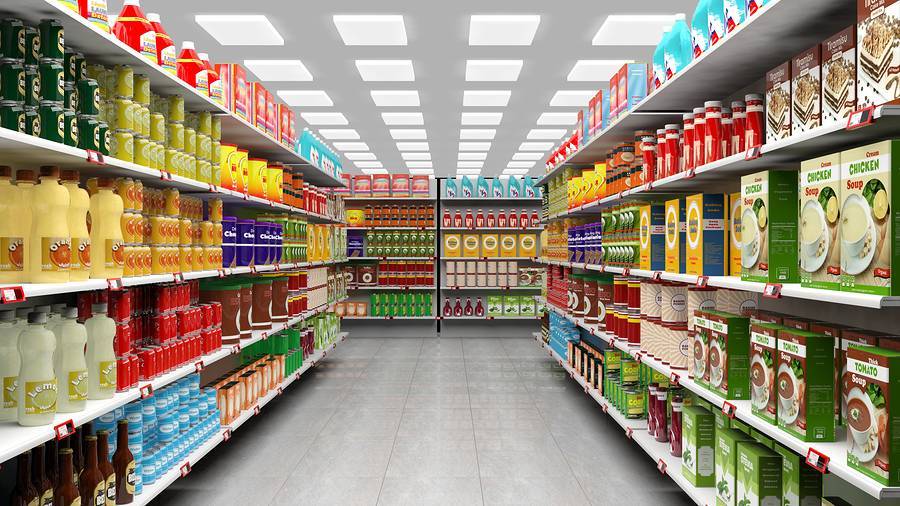
If you slipped and fell in a grocery store or restaurant in Orange County, California, you may be facing painful injuries, unexpected medical bills, and time away from work. Beyond the physical recovery, one question tends to come up immediately: who is responsible for what happened to you?
Slip and fall accidents can happen in seconds, but the legal responsibility behind them often depends on where the fall occurred, what caused it, and whether the business took reasonable steps to prevent harm. Grocery stores and restaurants both have legal duties under California law, but the types of hazards they create — and how liability is evaluated — can differ in important ways.
Understanding Premises Liability Under California Law
Slip and fall cases in California are usually based on premises liability, which is a form of negligence law. The general duty comes from California Civil Code § 1714(a). This statute requires property owners and businesses to use ordinary care in managing their premises so they do not cause injury to others.
In practical terms, grocery stores and restaurants in Orange County must take reasonable steps to keep customers safe. That includes inspecting for hazards, cleaning up dangerous conditions, and warning people when a risk cannot be fixed immediately.
To hold a business financially responsible, you generally must show that it failed to act reasonably and that failure caused your injury.
Why Grocery Stores Often Have Higher Slip And Fall Risks
Grocery stores such as Ralphs, Vons, Albertsons, Trader Joe’s, and Costco are one of the most common places for slip and fall injuries because spills and debris are so frequent. Customers handle produce, liquids leak from packaging, and refrigerated areas can create puddles without warning.
A hazard like crushed grapes on the floor or water near a freezer may seem minor, but it can cause serious harm. Because these risks are predictable, grocery stores are expected to have regular inspection and cleanup procedures in place.
If the dangerous condition existed long enough that employees should have discovered it and corrected it, the store may be held liable for failing to protect customers.
How Restaurant Slip And Fall Cases Are Different
Restaurants create a different environment than grocery stores. Instead of aisles and self-service shopping, restaurants involve food service, crowded seating, servers moving quickly, and frequent drink spills.
Common restaurant hazards include slippery restroom floors, greasy surfaces near kitchens, dropped food, or spilled beverages in walkways. Liability often depends on timing and response. If staff caused the spill or ignored it for too long, the restaurant may be negligent.
Notice Is a Key Issue in Both Grocery Store and Restaurant Claims
In almost every California slip and fall case, one major legal question comes up: did the business know about the hazard?
You typically must prove either actual notice, meaning the business was aware of the dangerous condition, or constructive notice, meaning the condition existed long enough that the business should have known about it.
Evidence such as surveillance video, witness statements, cleaning logs, and incident reports can play a major role in showing whether the business had enough time to act before you were injured.
Comparative Fault Can Affect Your Compensation
California follows a comparative negligence system, so you may still recover compensation even if you were somewhat at fault for the fall.
For example, the defense may argue that you were distracted, wearing unsafe shoes, or ignored warning signs. If you are found partly responsible, your compensation gets reduced by what percent you are at fault — but you are not automatically barred from recovering damages.
Deadlines for Filing a Slip And Fall Lawsuit in California
Slip and fall cases are time-sensitive, and California law imposes strict deadlines.
In most cases involving private businesses like grocery stores and restaurants, you have two years from the date of injury to file a lawsuit under California Code of Civil Procedure § 335.1. Missing this deadline can prevent you from recovering compensation entirely.
There is also an important exception. If your fall happened on government-owned property or involved a public entity, the California Government Claims Act (Gov. Code §§ 810–998.3) may require that an administrative claim be filed within six months. These situations require immediate legal evaluation because the deadlines are much shorter.
Contact Orange County Slip And Fall Lawyer

If you were injured in a grocery store or restaurant slip and fall accident in Orange County, you deserve experienced legal guidance. The Orange County slip and fall lawyers at Law Offices of Samer Habbas & Associates are widely recognized as top-rated personal injury attorneys throughout Southern California, with hundreds of millions recovered for injured victims and honors from Best Lawyers USA, Super Lawyers, and an Avvo 10.0 Superb rating.
When you are hurt and overwhelmed, Get Samer on Your Side. Contact Law Offices of Samer Habbas & Associates by calling (888) 848-5084 or contacting us online for a free consultation.





 Insurance and Slip and Fall Claims
 Free Consult
 Call 24/7