








What Should You Know About Slip and Fall Injuries in Vacation Rentals?
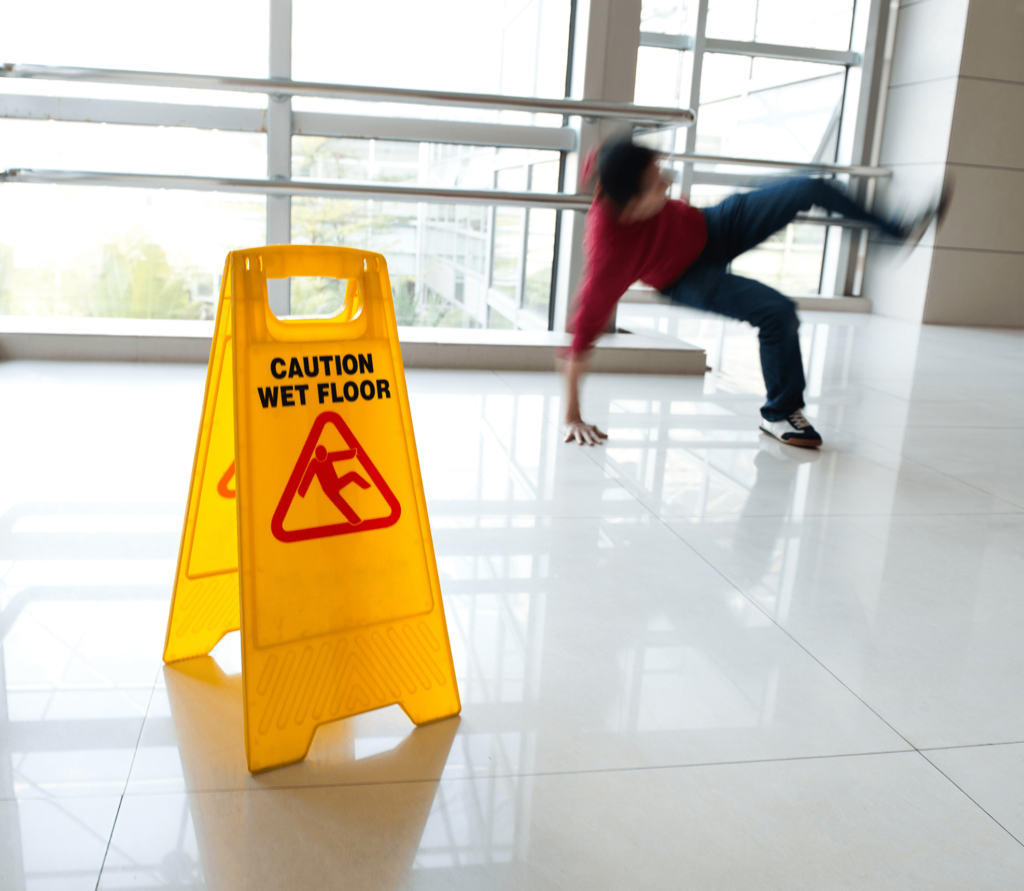
Slip and fall injuries that occur inside short-term vacation rentals—whether in Los Angeles, across California, or while traveling in another state- raise complex legal questions regarding property owner liability, guest status, and duty of care. These incidents are often caused by dangerous property conditions that could and should have been prevented. When such hazards result in injury, you may be entitled to seek damages under premises liability law.
Conditions That Commonly Lead to Liability
Unlike commercial hotels, vacation rentals are often managed by individual property owners or third-party hosts who may not comply with the same safety and maintenance protocols required by statute or ordinance. Slip and fall incidents frequently arise from hazardous conditions such as wet or uneven flooring, defective staircases, missing handrails, poor lighting, loose rugs, broken tiles, or unsecured balconies and decks.
Exterior conditions—including cracked pavement, uncleared debris, or unmarked elevation changes—also commonly cause injuries. These dangers may go unaddressed between guest stays, especially if the property lacks professional oversight. Importantly, liability does not turn on whether a property is commercial or private; it depends on whether the responsible party failed to exercise reasonable care under the circumstances.
Duty of Care Owed to Vacation Rental Guests
In California, a property owner’s duty to maintain safe conditions for lawful visitors falls under California Civil Code § 1714(a). This statute establishes that individuals are responsible not only for their intentional acts but also for injuries resulting from their failure to exercise ordinary care in the management of property. A guest in a vacation rental is typically classified as an “invitee,” to whom the highest duty of care is owed.
This includes the obligation to inspect the premises regularly, repair known hazards, and either eliminate or adequately warn against concealed dangers that a reasonable inspection would have uncovered. The failure to meet these obligations may constitute negligence if it results in a foreseeable injury. However, to prevail in a premises liability claim, you will need to prove that the owner or manager either knew or should have known about the unsafe condition and failed to take appropriate action.
Procedural Steps Following the Incident
If you are injured due to a fall in a vacation rental, the first priority is to obtain appropriate medical care and to ensure the injury is documented in your medical records. Next, gather any available evidence at the scene. Photographs of the condition that caused the fall, such as liquid on the floor or an unstable surface, should be taken before any changes are made.
Notify the property owner or rental platform as soon as possible and request a written acknowledgment of the incident. If the property is managed by a third party or a rental agency, be sure to document all communications. Witness statements, if available, can also support your claim. Additionally, preserve all receipts for medical treatment, transportation, and out-of-pocket expenses incurred as a result of the injury.
Because proving actual notice or constructive notice is often critical in slip and fall cases, early legal intervention may help secure maintenance records, prior complaints, and rental documentation that may not be accessible without a formal discovery process.
Liability Considerations Unique to Vacation Rentals
Vacation rentals present unique liability challenges compared to traditional commercial properties. For instance, platforms like Airbnb or Vrbo typically classify themselves as facilitators of bookings rather than operators of the property. As a result, their legal responsibility is often limited unless they directly contributed to the unsafe condition.
In many cases, the property owner or the individual host bears primary liability. However, if a property management company was contractually responsible for inspections or repairs, that entity may also be a proper defendant. Determining the appropriate parties requires a fact-specific analysis of the rental agreement, ownership structure, and the nature of the hazard.
In California, homeowners are encouraged—but not required—to carry liability insurance for short-term rentals. Some platforms provide host insurance, but such coverage may exclude guest injuries or limit reimbursement based on fault and the terms of the policy. Do not assume coverage exists or will be voluntarily extended.
Statutory Deadlines and Burden of Proof
Under California Code of Civil Procedure § 335.1, the statute of limitations for personal injury claims, including premises liability, is two years from the date of the injury. This means you must initiate legal action within that time frame or your claim may be permanently barred, regardless of its merit.
To succeed in a slip and fall claim under California law, the injured party must establish these elements:
- The defendant owned, controlled, occupied, or leased the property
- The defendant acted negligently in maintaining or using the property
- The plaintiff got harmed; and
- The negligence of the defendant was a significant reason for the harm.
If you were injured outside California, the applicable law will depend on the jurisdiction in which the incident occurred. Most states follow the general framework of premises liability but differ in how they define legal duties, contributory negligence, and the time allowed to file a claim. Consulting with a premises liability lawyer is strongly advised to determine the applicable rules and to secure evidence while it remains available.
Contact Los Angeles Slip And Fall Lawyer Samer Habbas

If you have suffered a slip and fall injury in a vacation rental—whether in California or while traveling out of state—you may have grounds for legal action against the property owner, manager, or other responsible parties. These cases require a detailed investigation of liability, insurance coverage, and compliance with safety obligations under state law.
To protect your rights and pursue appropriate compensation, contact Law Offices of Samer Habbas & Associates by calling 949-727-9300 or contacting us online to talk to our experienced Los Angeles slip and fall attorney for a free consultation.





 Insurance and Slip and Fall Claims
 Free Consult
 Call 24/7