









Phoenix Delivery
Truck Accident Lawyer
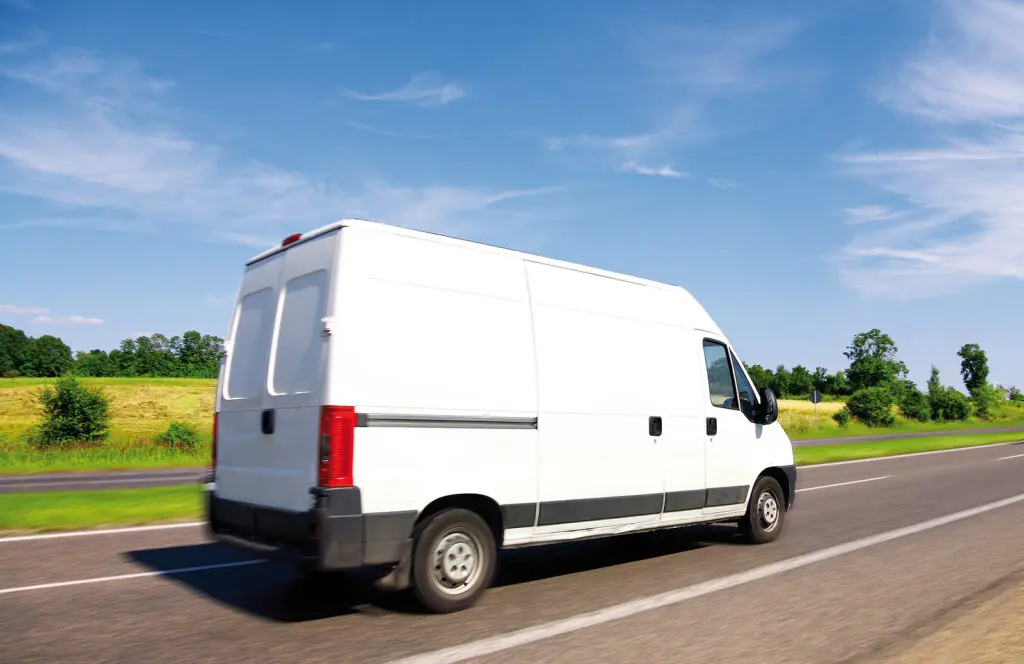
If you or your loved one was injured in a crash involving a delivery truck, the road to recovery may feel long, confusing, and unfair. These aren’t ordinary collisions. Delivery vehicles operate under tight deadlines and are often driven by individuals under pressure to meet quotas. In many cases, the drivers are operating on behalf of large companies with their own legal teams working to protect their bottom line, not your well-being. Victims often face serious physical injuries, loss of income, and emotional stress, all while trying to make sense of how and why the crash occurred.
At Law Offices of Samer Habbas & Associates, our attorneys have handled complex delivery truck accident cases and are prepared to investigate every angle of your claim with precision. We understand how delivery companies like Amazon, FedEx, and UPS—and their insurers—defend these cases, and we know how to hold them accountable. In the sections below, our firm explains what you need to know about delivery truck accident claims, including the causes of these accidents, your legal rights, potential sources of financial compensation, and how a Phoenix delivery truck accident lawyer can advocate for justice on your behalf.
Delivery Truck Crash Categories
- Rear-End Collisions — These happen when a delivery truck slams into the back of another vehicle. It’s often because the driver was distracted, speeding, or didn’t leave enough room to stop. In Arizona, Arizona Revised Statutes § 28-730 says all drivers must follow at a safe distance, but heavy delivery trucks need much more time and space to brake safely.
- Side-Impact (T-Bone) Accidents — A common crash in intersections, this happens when a delivery truck runs a red light or fails to yield and hits the side of another car. These crashes are dangerous because the side of a passenger car offers less protection. Arizona law Arizona Revised Statutes § 28-771 requires drivers to yield when entering intersections.
- Rollover Accidents — These are especially dangerous and often involve speeding around curves, sudden swerves, or unbalanced cargo. Delivery trucks with high centers of gravity are more likely to tip. Arizona Revised Statutes § 28-701 requires drivers to operate their vehicles at speeds that are reasonable and prudent for the conditions.
- Jackknife Accidents — This type of crash happens when the trailer of a large delivery vehicle swings out to form a V shape with the cab. A jackknife accident usually happens during hard braking or slippery road conditions. If the truck was going too fast for road or traffic conditions, that could violate Arizona law.
- Blind Spot Crashes — Because delivery vans and trucks have large blind spots on all sides, other drivers can easily get caught in them. When a delivery truck changes lanes or turns without checking, a serious crash can follow. Arizona Revised Statutes § 28-729 require drivers to execute lane changes in a safe manner.
- Wide Turn Accidents — Large delivery trucks often swing left before making a right turn, which can trap or hit cars, bikes, or pedestrians nearby. If the driver fails to check surroundings or signal properly, they may be held responsible under Arizona Revised Statutes § 28-754 for improper turning.
- Parking Lot and Residential Area Crashes — These happen in neighborhoods, apartment complexes, or business lots, where trucks back out of tight spots or rush to meet delivery schedules.
- Pedestrian and Bicyclist Accidents — Delivery trucks can pose serious danger in downtown Phoenix and near schools or shopping centers. If drivers aren’t watching for foot or bike traffic, these accidents can cause life-changing injuries. Arizona Revised Statutes § 28-792 requires drivers to yield to pedestrians in crosswalks.
- Falling Cargo Accidents — Poorly loaded or unsecured packages can fall off the truck, either directly hitting someone or causing a car to swerve and crash. Delivery companies are expected to secure loads under Arizona Revised Statutes § 28-1098(A), which says cargo must be tied down properly to keep it from shifting or falling.
- Brake Failure or Mechanical Issues — When a delivery truck crashes because its brakes give out or a tire blows, it could be due to poor maintenance. If inspections weren’t done right, the driver or company could be violating Arizona Revised Statutes § 28-982, which covers unsafe vehicle operation.
Common Types of Delivery Trucks and Vans Involved in Accidents
- Step Vans — These boxy, walk-in trucks are used heavily by companies like FedEx and UPS. They’re designed for frequent stops and have high centers of gravity, making them more likely to roll over or tip during sharp turns. Their large blind spots also make side-swipe accidents more likely. Drivers often move quickly between deliveries, increasing the risk of collisions in neighborhoods and parking lots.
- Cargo Vans — Smaller than step vans but still capable of carrying heavy loads, cargo vans are commonly used by Amazon, DHL, and independent contractors. Their size allows for easier access to tight areas, but they often operate on rushed schedules, leading to speeding or distracted driving. Rear-end crashes and pedestrian accidents are common with these vehicles.
- Box Trucks — Also known as straight trucks, these have a separate cabin and cargo area mounted on the same frame. U-Haul rentals, moving companies, and local couriers often use these. Their size and weight make braking distances longer, and they are involved in many rollover and jackknife incidents. Poorly loaded cargo in these trucks can easily shift, causing loss of control.
- Flatbed Trucks — While less common for urban delivery, flatbed trucks are still used for oversized or palletized goods, especially for construction and equipment drop-offs. Improperly secured cargo is a major hazard, often leading to falling item crashes.
- Refrigerated Trucks (Reefers) — These trucks carry perishable items and are common in grocery and food delivery. The refrigeration units add extra weight, affecting handling. Brake failure or tire blowouts are more likely when these trucks are not properly maintained.
Major Delivery Fleets
- Amazon — Operates one of the largest and fastest-growing fleets in Phoenix. It uses both branded cargo vans and third-party contractor vehicles. The speed of Prime deliveries often pressures drivers to rush, increasing crash risks. Many of their vans lack advanced safety features.
- FedEx — Known for its white-and-purple step vans, FedEx drivers cover tight schedules and high volumes. These vehicles are large, with poor rear visibility. Backing accidents and wide turn crashes are common.
- UPS — Uses signature brown step vans with manual doors and limited rear visibility. Accidents often involve parking lot impacts, blind spot lane changes, and intersection T-bone crashes. UPS drivers operate on strict timelines, often in heavy traffic.
- DHL — Uses a mix of cargo vans and smaller trucks. Although they have a smaller presence than FedEx or UPS, DHL drivers often operate in congested urban areas. Delivery-related pedestrian incidents are more common with these fleets.
- USPS — The United States Postal Service fleet includes older mail trucks with minimal safety tech. These vehicles are frequently involved in low-speed crashes and property damage incidents, especially during residential delivery.
- Rental Trucks (U-Haul, Penske, Budget) — Often driven by people unfamiliar with operating large vehicles, these trucks are involved in a high number of accidents due to wide turns, poor braking control, and inexperience.
Determining Fault in Arizona Delivery Truck and Van Accidents
- The Delivery Driver — If the driver was texting, speeding, driving under the influence, or just not paying attention, they can be held personally responsible. Arizona law requires all delivery drivers to operate their vehicles with reasonable care, and delivery drivers are no exception.
- The Delivery Company — If the driver was working at the time of the crash, their employer can be held responsible under a legal principle called “respondeat superior.” This means the company is liable for the actions its employees take during work. A delivery company might also be liable for failing to run background checks, providing poor training, or setting dangerous delivery schedules.
- Truck Part Manufacturers — If a delivery vehicle’s brake failure or tire blowout contributed to an accident, the vehicle owner or maintenance company may be liable under negligence principles in Arizona Revised Statutes § 12-2506, while the manufacturer or seller may face strict liability for a defective product under Arizona Revised Statutes §§ 12-681 to 12-689.
- Shippers or Cargo Loaders — If the truck’s cargo wasn’t properly secured and that led to a rollover or loss of control, the company that loaded the van or truck may be at fault. These companies are expected to follow loading standards to avoid weight shifts and falling cargo.
- Government Entities — If the accident happened due to poor road design, missing signs, or malfunctioning traffic signals, a local government agency may be partly to blame. Arizona law allows lawsuits against public entities under specific conditions, but you must follow strict rules, including shorter time limits and notice requirements.
Why You Want a Phoenix Delivery Van Accident Lawyer on Your Side
Seriousness of Delivery Truck Accident Injuries — Delivery truck accidents often cause some of the most severe injuries seen in personal injury law, not just broken bones or bruises, but spinal cord injuries, crushed limbs, traumatic brain injuries, internal organ damage, and amputations. These aren’t minor impacts. Victims frequently face surgeries, permanent disabilities, chronic pain, or even paralysis.
Compared to regular car crashes, delivery truck accidents involve heavier vehicles moving through neighborhoods, business districts, and residential streets. They strike pedestrians, cyclists, parked vehicles, and smaller cars. Even compared to standard truck accident cases, delivery vehicle crashes bring added complications—delivery vans stop frequently, are driven on tight deadlines, and are operated by a mix of employees and third-party contractors. A Phoenix delivery truck injury lawyer understands this unique context and builds cases specifically to reflect the real, long-term impact of your injuries.
Handling Insurance Fights — When you’re facing hundreds of thousands in medical bills, lost income, and years of rehab, you can’t afford to deal with a commercial insurer that’s trying to lowball your claim. These companies often try to minimize injuries, especially when they represent massive delivery corporations like Amazon, UPS, or FedEx. Your lawyer challenges those tactics and fights for full compensation that reflects your physical injuries, emotional trauma, and financial losses. In fatal crashes, Arizona law also allows families to file wrongful death claims under Arizona Revised Statutes § 12-611 and § 12-612.
Building a Strong Case — A van accident lawyer in Phoenix will hire medical experts, economic analysts, and accident reconstructionists to prove how your injuries happened and what they’ll cost you over a lifetime. They’ll collect driver records, black box data, and safety logs to expose every failure that led to the crash. Arizona’s comparative fault law, Arizona Revised Statutes § 12-2506, can reduce your compensation if blame is unfairly shifted onto you, so your lawyer’s job is to keep that from happening and make sure the focus stays where it belongs: on your pain, your future, and your right to recover.
Contact Phoenix Delivery Truck Accident Attorney Samer Hababs
At Law Offices of Samer Habbas & Associates, we represent victims of delivery truck accidents throughout Georgia. Our attorneys understand what’s at stake in these cases, and we don’t back down from delivery companies or insurance carriers who attempt to shift blame or delay payment. If you or someone you love has been injured in a delivery truck collision, we’re ready to listen, advise, and act. Contact delivery truck accident lawyers at Law Offices of Samer Habbas & Associates by calling 888-848-5084 or contacting us online for a free consultation about your rights and legal options.
Frequently Asked Questions
What should I do right after a delivery truck accident?
Call 911, seek immediate medical help, take photos of the scene and vehicles, gather contact info from witnesses, and avoid giving any statements to insurance adjusters until you’ve spoken with a lawyer.
Can I sue the delivery company or just the driver?
Yes, you can sue both the delivery driver and their employer if the driver was working when the crash happened. Arizona law allows employer liability for employee actions during the scope of their job.
How long do I have to file a lawsuit in Arizona?
You have two years from the date of the accident to file a personal injury lawsuit under Arizona Revised Statutes § 12-542. If you miss this deadline, you likely lose your right to sue.
What damages can I recover in a lawsuit?
You can recover money for medical expenses, lost wages, pain and suffering, emotional distress, property damage, and more. In fatal cases, you may also claim funeral costs and future income in a wrongful death lawsuit.
Will the case go to trial or settle?
Most delivery truck cases settle through negotiation, but some go to trial if the company or insurer refuses fair payment. Your lawyer will prepare thoroughly for both outcomes and fight for full compensation.
What if I were partly at fault for the crash?
Arizona follows a comparative fault rule under Arizona Revised Statutes § 12-2506. Your compensation will be reduced according to your portion of responsibility.
Can I sue if the driver was an independent contractor?
You might be able to. Arizona courts look at how much control the company had over the driver.
What makes delivery trucks more dangerous?
They have larger blind spots, take longer to stop, and may carry unsecured cargo. Their size and weight often lead to more severe impacts, especially in pedestrian zones or crowded city intersections.
Should I call a delivery truck accident lawyer in Phoenix for a minor injury?
Yes. Even seemingly minor injuries can worsen over time, and commercial insurers often push back hard. A lawyer ensures your rights are protected and helps you recover everything you’re legally owed.






 California Truck Accident Investigations
  Free Consult
 Call 24/7