









Phoenix
Slip and Fall Lawyer
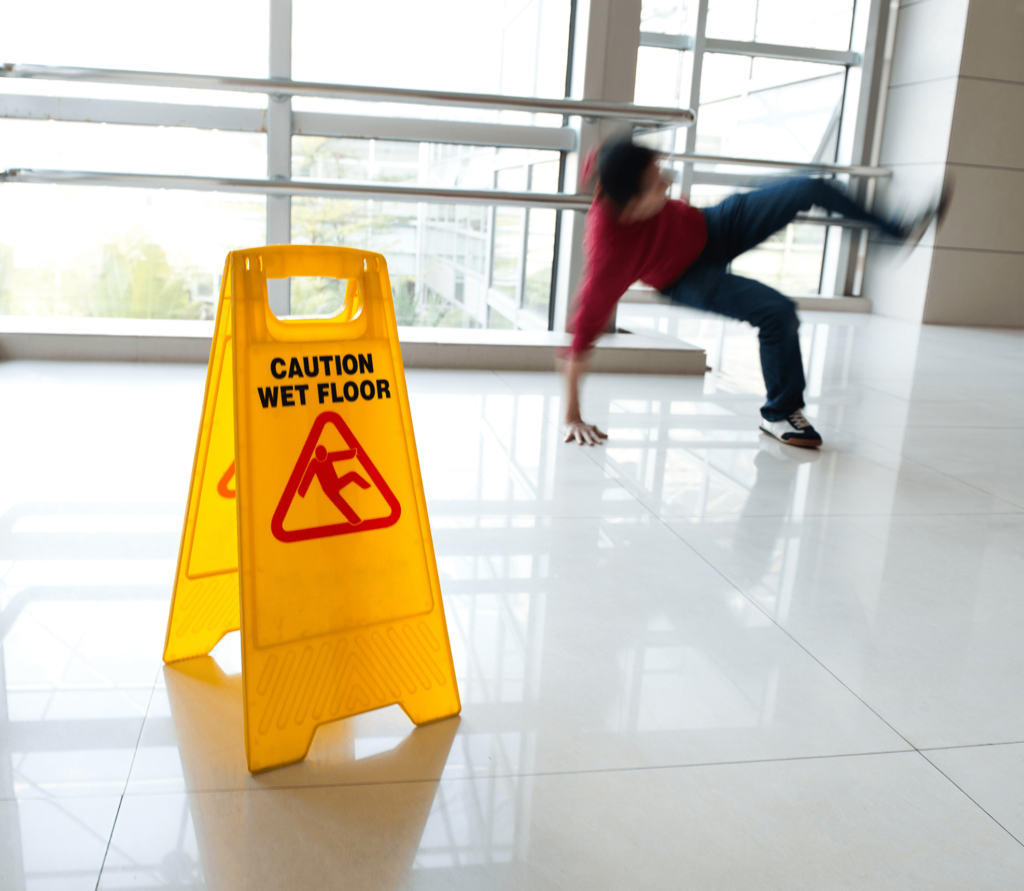
Slip and fall accidents are often dismissed as minor or routine—until the consequences become impossible to ignore. A sudden fall can result in serious injuries: fractured hips, spinal damage, traumatic brain injuries, or long-term mobility loss. These aren’t just accidents; they are preventable events caused by unsafe conditions on someone else’s property.
At Law Offices of Samer Habbas & Associates, our experienced premises liability attorneys recognize the profound medical, financial, and emotional toll that slip and fall accidents can take on victims and their loved ones. We are committed to guiding you through every stage of the legal process. In the sections below, you’ll find clear and essential information about the most common types and causes of slip and fall incidents, your legal rights as an injured party, potential sources of liability, the types of compensation you may be entitled to, and how a skilled Phoenix slip and fall lawyer can fight to secure the maximum compensation and justice you deserve.
Main Slip and Fall Accident Types
According to the CDC, over one million individuals in the US experience slip and fall injuries yearly, and over 17,000 people die each year as a result. Falls are the leading cause of non-fatal injuries for nearly every age group, and they’re the number one cause of injury-related ER visits. Here’s how they happen:
- Indoor Falls — These falls can happen anywhere inside a building—stores, offices, apartment complexes, or medical clinics. You might slip on a freshly mopped floor with no warning signs, trip over loose floor mats near entryways, or lose your footing on stairs with broken tiles or no handrails. Poor lighting, cluttered walkways, or spills left unattended also increase the risk of falling indoors.
- Outdoor Falls — These accidents happen in open-air spaces like sidewalks, parking lots, courtyards, or driveways. Uneven pavement, potholes, cracked walkways, and changes in elevation that aren’t marked can cause someone to trip. Slippery surfaces from rain, loose gravel, or landscaping debris can also make walking hazardous outside, especially at night or in bad weather.
- Wet Surface Falls — Slipping on a wet floor is one of the most common types of accidents. This includes surfaces made slick by spilled drinks, cleaning products, water leaks, or tracked-in rain. These can occur in lobbies, restrooms, kitchens, and entryways where moisture collects and isn’t cleaned up quickly.
- Falls Due to Poor Lighting — When hallways, staircases, or parking garages are poorly lit, it’s easier to miss hazards like changes in flooring, steps, or obstacles. Dim lighting can also make shadows deeper, hiding objects or cracks that can cause a fall.
- Falls on Stairs and Escalators — Stairs without handrails, with worn-out treads, or that are unevenly spaced are common sources of falls. Escalators that jerk suddenly, stop unexpectedly, or have broken steps can cause people to lose their balance and fall either on the device or while stepping off it.
- Falls from Tripping Hazards — These happen when an object or surface change interrupts a person’s walking pattern. Common causes include loose cords, curled rugs, open drawers, tools left out, or uneven flooring. You might also trip over thresholds between rooms or small changes in elevation that aren’t clearly marked.
- Falls from Unstable Surfaces — These include areas where the floor gives way or is otherwise unstable, like temporary flooring, loose tiles, or wooden planks that shift when walked on. You might also fall while walking on grass, gravel, or sand, especially if the terrain is uneven or sloped.
- Falls Involving Elevation — Any slip that results in falling from one level to another—like down stairs, off a platform, or over a curb—can cause more serious injury. Falls from ladders, step stools, or loading docks also fall into this category, especially when elevation changes are unexpected or poorly marked.
- Falls Involving Footwear — Shoes with poor traction, high heels, or worn soles can increase your risk of slipping, especially on smooth or glossy surfaces. Slippers or sandals without heel support can also contribute to falls in both home and public settings.
- Falls During Physical Activity — These include slips while walking quickly, carrying objects, pushing carts, or using assistive devices like walkers or canes. Physical exertion can reduce your ability to react to hazards quickly, especially if your attention is divided.
Severe Injuries from Slips, Trips, and Falls
- Broken Bones — A hard landing on a tile or concrete floor can leave you with a fractured wrist, arm, hip, or ankle. Older adults are especially at risk for hip fractures, which often lead to long recovery times and mobility issues.
- Head Injuries — Hitting your head during a fall can cause a concussion or more serious trauma, like a brain bleed. Even mild brain injuries can affect memory, concentration, and balance. These types of injuries are sometimes hard to spot right away.
- Spinal Injuries — Falling on your back or twisting as you land can damage your spine. Herniated discs, nerve compression, or spinal fractures may cause pain, numbness, or weakness in your limbs. Some injuries may result in permanent disability.
- Soft Tissue Damage — You may not break a bone but still tear ligaments or strain muscles. These injuries often affect knees, shoulders, or ankles and can take weeks to heal. Bruising and swelling are also common.
- Internal Injuries — A fall can cause internal bleeding or organ damage, especially if you land on a hard object. These injuries aren’t always obvious right away and may require emergency care under Arizona health and safety standards.
Common Slip and Fall Locations in Phoenix
Slip and falls commonly occur at retail stores like Fry’s, Walmart, and Safeway due to spills or wet floors. Shopping centers such as Desert Ridge Marketplace and Biltmore Fashion Park pose hazards near entrances and food courts. Hotels and resorts see year-round incidents in lobbies, pool decks, and spas. Apartment complexes, especially in North Phoenix and Midtown, often have slippery stairs or shared areas.
At hospitals like Banner and Dignity Health, wet hallways and cluttered rooms are risky. City parks and sidewalks—like those at Encanto Park or Roosevelt Row—become treacherous due to uneven pavement or irrigation runoff. Phoenix Sky Harbor Airport and light rail stations are also high-risk with slick tiles and luggage clutter. Office buildings in downtown and Camelback may have outdated flooring and overlooked spills in lobbies or break rooms.
Who’s at Fault for a Slip and Fall Under Arizona Law
- Property Owners and Managers — If you fall on someone else’s property, the owner or person in control of it might be responsible. Arizona law follows general premises liability rules, which mean they must take “reasonable care” to keep walkways and spaces safe. Under Arizona Revised Statutes § 12-542, you usually have two years to file a claim.
- Landlords — If you rent your home and fall in a shared area like a stairwell or laundry room, your landlord could be at fault. The Arizona Residential Landlord and Tenant Act (Arizona Revised Statutes § 33-1324) requires landlords to keep common areas clean and safe. If they ignore needed repairs or leave hazards in place, they could be liable.
- Businesses and Commercial Operators — Stores, restaurants, and malls are expected to regularly check their spaces for dangers like wet floors or clutter. If they fail to notice or fix something that causes a fall, you may be able to hold them accountable.
- Government Entities — If you fall on city or state property—like a public park, sidewalk, or government building—different rules apply. You must file a formal Notice of Claim within 180 days, under Arizona Revised Statutes § 12-821.01.
- Arizona’s Comparative Negligence Law — Even if you were partly at fault for the fall, you may still recover some damages. Arizona uses a comparative negligence system, explained in Arizona Revised Statutes § 12-2505, which allows you to be compensated based on the percentage of fault assigned to others. For example, if you were 20% at fault, your compensation could be reduced by that amount.
- Open and Obvious Conditions — Arizona courts may deny a claim if the danger was visible and avoidable. However, each case depends on the full context, and courts sometimes rule in favor of the injured person even when a hazard was visible.
How a Slip and Fall Lawyer in Phoenix Fights for You
Most slip and fall cases in Phoenix involve hidden hazards, complex property issues, and questions about whether the danger was known, visible, or reported. A slip and fall attorney in Phoenix focuses on these specifics—things like surveillance footage, maintenance logs, and property inspection records that many general personal injury attorneys overlook.
Your lawyer also takes on insurance companies, which usually argue that you were careless or that the hazard was obvious. They may deny your claim outright or offer a low settlement. A skilled attorney knows how to respond with evidence, expert reports, and clear proof of your injuries. If a lawsuit is needed, your lawyer files and manages everything in court—deadlines, hearings, depositions, and more.
In a personal injury case, your lawyer pursues damages like medical bills, lost income, pain and suffering, and long-term care. In a wrongful death case, they help your family claim funeral costs, loss of companionship, and other damages under Arizona Revised Statutes § 12-612. These claims aren’t just paperwork—they’re the path to financial relief and justice after a serious fall.
Contact Phoenix Slip and Fall Attorney Samer Habbas

If you were hurt in a slip and fall accident, you’ll want to talk to a premises liability lawyer in Phoenix for guidance on your rights. The experienced slip and fall attorneys at Law Offices of Samer Habbas & Associates understand how quickly a fall can upend your life—physically, emotionally, and financially. These cases aren’t simple, and property owners often refuse to take responsibility unless someone holds them to it. Our premises liability lawyers know how to apply real pressure and build a case that speaks for you. Call us today at 888-848-5084 or contact us online to schedule your free consultation. You have legal rights, and we’re here to help you fight for them.
Frequently Asked Questions
Can I still sue if I didn’t report my Phoenix slip and fall right away?
Should I get a dog bite attorney in Phoenix?
Yes. Arizona dog bite laws are strict but complex. Insurance companies often deny fair payment, and a dog bite lawyer ensures your rights are protected, deadlines are met, and your damages are fully documented and pursued.
Do I need photos of the Phoenix slip-and-fall area?
Yes, photos are very helpful. If you slipped and fell in Phoenix, pictures of the hazard, location, and your injuries can help your lawyer prove how the fall happened and who’s responsible.
How long do I have to sue after a Phoenix slip and fall?
In most Phoenix slip and fall cases, you have two years to sue under Arizona Revised Statutes § 12-542. If the fall happened on government property, you only have 180 days to file notice.
Can I get compensation if I was partly at fault for my Phoenix slip and fall?
Yes, Arizona uses comparative negligence (Arizona Revised Statutes § 12-2505), so even if you were partly at fault, you may still recover compensation based on the percentage of fault assigned to the other party.
What if I didn’t see a doctor after my Phoenix slip and fall?
You can still have a claim, but not seeing a doctor weakens your case. Medical records are critical in Phoenix slip and fall lawsuits to prove the injury and connect it to the fall.
Is the business always at fault for a Phoenix slip and fall?
Not always. For a Phoenix slip and fall claim to succeed, you must show the business knew or should’ve known about the dangerous condition and failed to fix it in a reasonable time.
What if I slipped and fell at a Phoenix apartment complex?
If your Phoenix slip and fall happened in a shared area like stairs or walkways, the landlord may be responsible under Arizona Revised Statutes § 33-1324, which requires them to keep common areas safe.
Can I sue the City of Phoenix for my slip and fall?
Yes, but you must file a Notice of Claim within 180 days under Arizona Revised Statutes § 12-821.01. Phoenix slip and fall cases on public property follow stricter timelines and require specific legal procedures.
Should I contact a lawyer for a minor Phoenix slip and fall injury?
Yes, even minor injuries can turn serious. A Phoenix slip and fall lawyer helps you avoid low settlement offers and makes sure your claim is taken seriously by insurers or the court.
What should I bring to my Phoenix slip and fall lawyer consultation?
Bring photos, witness names, medical bills, and any paperwork related to your Phoenix slip and fall. These details help the lawyer evaluate your case and decide how best to move forward.






 Insurance and Slip and Fall Claims
  Free Consult
 Call 24/7