









Phoenix
Drowning Accident Lawyer
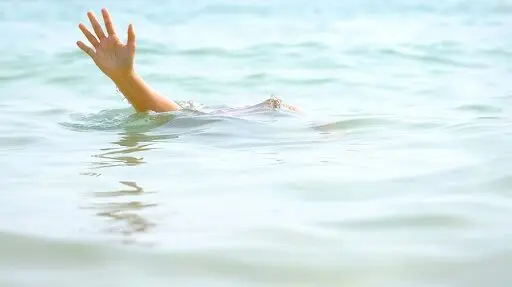
Few experiences are more devastating than losing a loved one or watching someone suffer because of a drowning accident. These incidents often happen suddenly—in a home pool, hotel, apartment complex, or open water—and leave families searching for answers about how such a preventable tragedy occurred. The physical injuries, emotional trauma, and financial strain can last long after the event itself. That is why it is critical to work with attorneys who understand not only the law, but the unique complexities that come with drowning accident cases. Law Offices of Samer Habbas & Associates has years of experience representing drowning victims and their families throughout Arizona, standing firm against those who failed to uphold basic safety standards. In the discussion below, our attorneys outline what every victim and family should know about drowning accident cases in Phoenix—including how these accidents occur, the parties who may be legally responsible, the legal remedies available under Arizona law, the potential damages that can be pursued, and how an experienced Phoenix drowning accident lawyer can protect your rights and pursue justice on your behalf.
Major Types of Drowning Accidents in Phoenix
- Residential Pool Drownings — Many drowning accidents in Phoenix happen at home pools, especially in neighborhoods with private backyard pools. Arizona law, under A.R.S. § 36-1681, requires safety measures like fencing or barriers around pools to help prevent unsupervised access by children. Still, many drownings occur when gates are left open, barriers are missing, or safety alarms fail. These tragedies often happen in seconds and without noise. Distractions, poor visibility, or slippery surfaces can all play a role. Children are the most common victims, and even shallow water can be deadly.
- Public Pool and Waterpark Drownings — Accidents in public pools, hotels, and waterparks are often linked to crowded swim areas, poor water clarity, or a lack of supervision. Phoenix has many public swimming facilities, and while they provide recreation for families, they can become dangerous when safety practices are overlooked. In these settings, drownings often happen because swimmers become fatigued, lose consciousness, or go unnoticed beneath the surface for several minutes before being found.
- Natural Water Drownings — Arizona’s warm weather draws people to lakes, rivers, and canals across the Phoenix area, including the Salt River, Tempe Town Lake, and Lake Pleasant. Natural water poses unique dangers—uneven terrain, strong undercurrents, unexpected drop-offs, and low visibility. Many people who drown in these waters are inexperienced swimmers, underestimate water depth, or are caught off guard by sudden changes in current or weather. Alcohol use and boating activity often increase the risks.
- Boating and Jet Ski Accidents — Drownings that occur during boating or jet ski use often result from capsizing, falling overboard, or collisions on the water. Arizona’s boating regulations (A.R.S. § 5-301 through § 5-399) outline safety practices for operating watercraft, but even experienced boaters can face danger in fast-moving or crowded areas. Not wearing a life jacket is one of the most common factors in fatal boating-related drownings.
- Child and Infant Drownings — Young children are especially vulnerable in and around water. In Phoenix, many child drownings happen at home or during social gatherings when adults believe someone else is watching the child. Arizona’s child safety laws, including the Phoenix Pool Fence Ordinance, emphasize the importance of secured barriers and constant supervision. Infants and toddlers can drown in just a few inches of water, including bathtubs, kiddie pools, or even buckets.
- Hotel, Airbnb, and Vacation Rental Pool Drownings — Visitors to Phoenix often use pools at hotels or vacation rentals without realizing the risks. Poor lighting, slippery decks, and the absence of flotation devices can all contribute to drowning incidents. These pools may appear well-maintained, but even brief lapses in supervision or equipment upkeep can create dangerous situations. Many accidents happen when guests swim alone or after dark, assuming the water is safe.
Injuries Caused by Drowning Accidents
- Oxygen Deprivation and Brain Injury — When the brain is without oxygen, even for a short time, severe and lasting damage can occur. Survivors may suffer permanent brain injuries, loss of speech or movement, or remain in a coma.
- Long-Term and Emotional Impact — Survivors often face lung damage, heart complications, and lasting psychological trauma. Families of victims endure deep emotional pain that can take years to heal.
- Fatal Drowning — Many drowning accidents end in death within minutes. Oxygen loss and cardiac arrest can happen quickly, especially in children. These sudden, preventable losses leave families facing overwhelming grief and financial strain.
Where Drowning Accidents Happen Most Often in Phoenix
- Residential Neighborhoods — Backyard pools are the most common setting for drowning accidents in Phoenix. Areas like Ahwatukee, Arcadia, and North Scottsdale have high numbers of private pools, which increases the risk, especially during summer months when children spend more time outdoors.
- Public Pools and Waterparks — City and community pools such as Encanto Pool, Pecos Pool, and Desert Oasis Aquatic Center are popular gathering spots. Waterparks like Big Surf and Hurricane Harbor draw large crowds, making it difficult to monitor all swimmers at once. Overcrowding and distractions often lead to delayed responses during emergencies.
- Natural Water Areas — Local recreation areas such as Tempe Town Lake, Lake Pleasant, and the Salt River are frequent sites of drownings. These areas combine swimming, boating, and tubing, which increases risk factors. Strong currents, hidden rocks, and uneven bottoms can make rescue difficult.
- Hotels and Resorts — Phoenix’s tourism industry attracts millions of visitors each year, many of whom use pools at hotels and resorts downtown or in Scottsdale. Drownings here often occur in the evening or after hours when staff are less present, or when alcohol is involved.
- Vacation Rentals and Apartment Complexes — With the rise of short-term rentals and shared housing, private and community pools have become common amenities. Many accidents occur when guests or residents assume the pool is safe, only to find that safety features like alarms or barriers are missing or disabled.
Who May Be Liable for a Drowning Accident
- Property Owners and Homeowners — Arizona law requires pool owners to follow A.R.S. § 36-1681, which mandates a proper enclosure or barrier around any residential swimming pool. The law specifies that barriers must meet certain height and gate standards to prevent children from entering unsupervised. This statute applies to most residential pools, with limited exceptions for above-ground structures that meet safety criteria.
- Pool Operators and Facility Managers — Public and semipublic swimming facilities, including apartment complexes, hotels, and community centers, must comply with the Arizona Department of Health Services (ADHS) regulations found in A.A.C. Title 9, Chapter 8, Article 8 (R9-8-801 through R9-8-813). These rules govern areas such as water quality, pool maintenance, signage, and safety equipment. They also refer to technical design standards found in A.A.C. Title 18, Chapter 5, Article 2 (R18-5-201 et seq.), which outline circulation, filtration, and construction requirements for pools and spas.
- Boating and Watercraft Operators — Arizona’s boating laws, located in A.R.S. § 5-301 through § 5-399, set standards for safe boating conduct. A.R.S. § 5-395 prohibits operating a motorized watercraft while under the influence of alcohol or drugs. A.R.S. § 5-341 forbids careless or reckless operation of a vessel. In addition, A.R.S. § 5-331 requires that each person on board a watercraft have access to a U.S. Coast Guard-approved personal flotation device. These laws are designed to reduce preventable water-related deaths across the state.
- Government Entities — If a drowning occurs at a public facility such as a city pool, canal, or park, a potential claim against a governmental entity must comply with Arizona’s Notice of Claim statute, A.R.S. § 12-821.01. This law requires that a written notice describing the claim be filed within 180 days after the cause of action accrues. Failure to meet this requirement can bar a person from bringing a lawsuit.
- Manufacturers and Product Makers — Arizona’s product liability statutes, A.R.S. § § 12-681 through 12-689, apply when a defective product—such as a faulty drain cover, pool alarm, or flotation device—contributes to a drowning. These statutes define product liability actions and outline defenses, such as those found in A.R.S. § 12-683 and A.R.S. § 12-689. Expert analysis is often required to determine whether a product defect or design flaw caused or worsened the incident.
- Fatal Drowning Cases — When a drowning results in death, Arizona’s wrongful death laws under A.R.S. § § 12-611 through 12-613 apply. These statutes allow certain surviving family members to seek compensation for losses, including funeral expenses and loss of companionship.
How a Phoenix Drowning Accident Lawyer Helps You
- Investigating the Incident — A drowning accident lawyer reviews reports, witness statements, maintenance records, and footage to uncover what happened. They may work with safety experts to determine the cause and build a strong case.
- Handling Insurance Claims — Your lawyer deals directly with insurance companies, ensuring all losses are documented and preventing unfair settlements that undervalue your claim.
- Filing Legal Actions — When needed, your attorney files personal injury, wrongful death (A.R.S. § § 12-611–12-613), or product liability (A.R.S. § § 12-681–12-689) claims and manages every step of the legal process.
- Recovering Damages — A lawyer pursues compensation for medical costs, lost income, pain and suffering, and, in fatal cases, funeral expenses and loss of companionship.
Contact Phoenix Drowning Accident Lawyer Samer Habbas

If you or your family are coping with the aftermath of a drowning accident, you deserve guidance from attorneys who understand both the law and the deep personal loss that comes with these tragedies. At Law Offices of Samer Habbas & Associates, our experienced drowning accident lawyers have represented victims and families facing some of the most difficult moments of their lives. We know how quickly these incidents unfold and how overwhelming the legal and financial consequences can become. Our attorneys are ready to take immediate action—investigating the facts, preserving evidence, and holding negligent parties accountable under Arizona law. Every case we take is handled with precision, respect, and relentless advocacy. To speak directly with an attorney about your situation, contact Law Offices of Samer Habbas & Associates by calling 888-848-5084 or contacting us online for a free consultation.
Frequently Asked Questions
What should you do right after a drowning accident?
Who pays for medical bills after a drowning accident?
Depending on the circumstances, costs may be covered by the property owner’s or operator’s insurance policy, or through your own coverage. A lawyer helps determine who is financially responsible and works to recover full compensation.
Can you sue after a drowning accident at a hotel or waterpark?
You may have legal options if the facility failed to follow safety laws or proper maintenance standards. Arizona’s regulations under A.A.C. R9-8-801 through R9-8-813 govern pool operations, and a lawyer can investigate whether these rules were violated.
How long do you have to file a drowning accident claim in Arizona?
Most personal injury and wrongful death claims must be filed within two years under A.R.S. § 12-542. If a public entity is involved, Arizona’s Notice of Claim law (A.R.S. § 12-821.01) requires written notice within 180 days.
What types of compensation can you receive after a drowning accident?
Compensation may include medical expenses, lost income, pain and suffering, rehabilitation costs, and in fatal cases, funeral expenses and loss of companionship. The amount depends on the specific facts and severity of the case.
Do you need a lawyer after a drowning accident?
Yes. Drowning cases are often complex and emotionally charged. A Phoenix drowning accident lawyer helps you handle insurance companies, gather evidence, and make sure you receive the compensation you’re entitled to under Arizona law.
What if the drowning accident happened at someone’s home?
Even when the accident occurs at a private residence, homeowner’s insurance may provide coverage. A lawyer can help you file a claim respectfully and ensure that you’re treated fairly without damaging personal relationships.
How are drowning accidents investigated?
Investigations often involve reviewing police and medical reports, interviewing witnesses, and examining pool or water safety conditions. Experts may be brought in to analyze design features, maintenance records, and compliance with Arizona’s safety regulations.
How much does it cost to hire a drowning accident lawyer?
Most Phoenix drowning accident lawyers work on a contingency fee basis, meaning you pay nothing upfront. You only pay if the lawyer successfully recovers money for you through a settlement or judgment.






 Two Died In Suspected Drowning At Happy Happy Day Care In San Jose
  Free Consult
 Call 24/7