








How to Survive a Car Crash as a Passenger
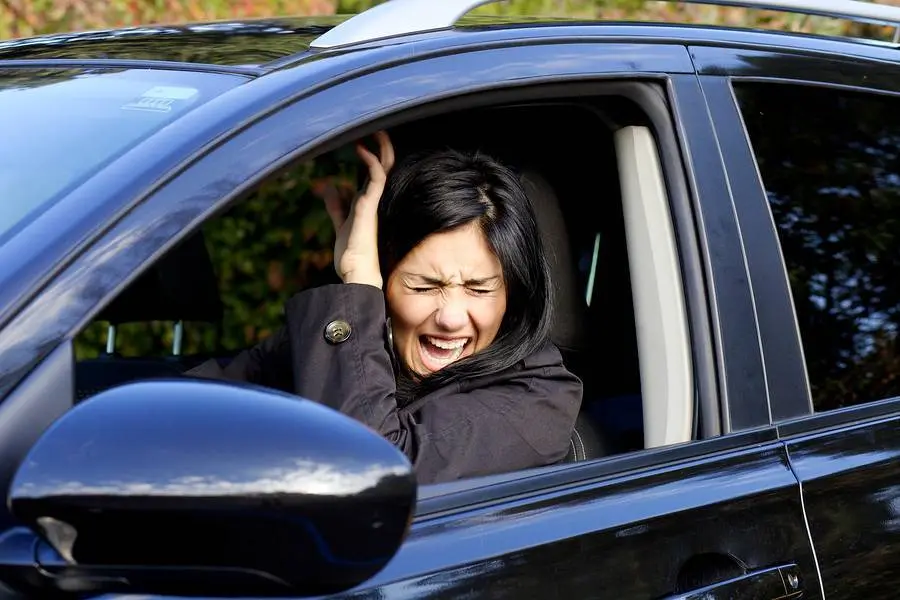
Being in a car crash as a passenger is a terrifying and often life-changing experience. Unlike the driver, you have no control over the vehicle, making it even more difficult to anticipate or avoid a collision. Whether the accident was caused by another driver’s negligence or a completely unavoidable situation, your safety and well-being should be your top priorities. If you find yourself in a car crash in Los Angeles, there are several steps you can take to increase your chances of survival, minimize injury, and ensure you receive the proper care afterward.
What to Do During the Crash
If you realize that an accident is about to happen, your body’s natural instinct is to tense up. However, staying loose can actually reduce the severity of injuries. Try to stay calm and brace yourself in a way that protects your body. If possible, press your back against the seat and keep your arms close to your body. Avoid locking your joints, as this can increase the risk of fractures.
If you are wearing a seatbelt, which you should always be, ensure it is snug across your lap and chest. This will prevent you from being thrown forward or ejected from the vehicle. If the car has side airbags, they may deploy upon impact, offering additional protection. Cover your head with your arms if you sense an impact coming from the side.
Immediately After the Crash
Once the vehicle comes to a stop, quickly assess your body for injuries. Adrenaline may mask pain, so even if you feel fine, you could have serious internal injuries. If you are able to move without pain, check on other passengers and the driver. If the crash is severe, do not attempt to move anyone who appears to be seriously injured, as this could make their injuries worse.
If you are trapped, try to stay as calm as possible. Panic can cause you to hyperventilate, making it harder to think clearly. If you smell gas or see smoke, get out of the vehicle as quickly and safely as possible. If your door is jammed, look for another way out, such as an open window. If you cannot escape, call 911 immediately and describe your location and condition as clearly as you can.
Calling for Help
Even if the accident seems minor, you should always call 911. A police report can be crucial for insurance claims and medical care. The emergency operator will ask if you or anyone else is injured. Be honest about your condition, even if your injuries seem mild. Paramedics can properly assess you and determine whether you need immediate medical attention.
If you are in an area with heavy traffic, such as a freeway or a busy Los Angeles intersection, stay inside the vehicle until emergency responders arrive—unless remaining in the car is dangerous. Exiting a car in the middle of traffic can put you at risk of being hit by another vehicle.
Seeking Medical Attention
Even if you feel fine after the crash, you should always get checked by a medical professional as soon as possible. Some injuries, like concussions, whiplash, or internal bleeding, may not show symptoms right away. Delaying treatment can lead to complications or make it harder to prove that your injuries were caused by the accident.
If paramedics arrive at the scene, let them examine you. If they recommend going to the hospital, follow their advice. If you do not go to the hospital immediately, schedule a doctor’s appointment within the next 24 hours to get a thorough checkup. Keep all medical records, as they can be important later if you need to document your injuries.
Documenting the Accident
If you are physically able, take photos and videos of the accident scene. Capture damage to the vehicles, any visible injuries, and road conditions. If there were witnesses, ask for their contact information. Their statements could be useful later if there are disputes about how the accident occurred.
Make a note of everything you remember about the crash, including the time, location, weather conditions, and what happened leading up to the collision. If you were in a rideshare vehicle or a taxi, make sure to document the driver’s information as well.
Managing Pain and Recovery
Car accidents can cause both physical and emotional trauma. You may experience pain, stiffness, headaches, dizziness, or even PTSD in the days and weeks following the crash. Follow your doctor’s treatment plan and take any prescribed medications as directed. Rest as much as you need, and do not rush back into your normal routine before your body is ready.
Physical therapy or chiropractic care may help with lingering pain. Some injuries, like whiplash, can take weeks or months to heal fully. If you experience persistent pain or new symptoms, go back to the doctor. Ignoring symptoms can lead to long-term complications.
Coping with Emotional Trauma
Surviving a car crash can leave emotional scars just as much as physical ones. It is common to experience anxiety, fear of driving, nightmares, or flashbacks. Talking to a therapist or counselor can help you process the trauma. Support groups can also be helpful, especially if you find it difficult to discuss your experience with friends or family.
If you are struggling with anxiety about getting back into a car, start with short trips as a passenger in a safe and familiar environment. Gradually increase the amount of time spent in a vehicle until you regain confidence. Do not feel pressured to rush this process—healing takes time.
Preventing Future Injuries
While you cannot control the actions of other drivers, there are steps you can take to improve your safety in the future. Always wear your seatbelt, no matter how short the trip. Sit in the safest position possible, which is typically the back seat if you are in a smaller car. Avoid distractions such as using your phone or taking your eyes off the road, even if you are not driving. Being aware of your surroundings can help you react more quickly in an emergency.
If you are a passenger in a rideshare vehicle, make sure the driver is following traffic laws and driving safely. If you feel uncomfortable with their driving, do not hesitate to ask them to slow down or pull over so you can get out.
Contact Los Angeles Car Accident Lawyer Samer Habbas

If you have been injured in a car crash in Los Angeles because of someone else’s negligence, you have the right to seek compensation for your medical expenses, lost wages, and pain and suffering. The aftermath of an accident can be overwhelming, but you do not have to tackle it alone. Contact Law Offices of Samer Habbas & Associates, PC by calling 949-727-9300 or contacting us online for a consultation. Their experienced team can help you understand your legal options and fight for the compensation you deserve.





 Are Bluetooth Headphones Illegal When Driving?
 Free Consult
 Call 24/7