










What Is the Most Dangerous Seat in a Car?
The rear middle seat is generally considered one of the safest seating positions when equipped with a seat belt. The most dangerous seat can vary depending on the type and direction of a crash, vehicle design, and whether the occupant is properly restrained. Seat belts and appropriate child restraints significantly reduce injury risks.
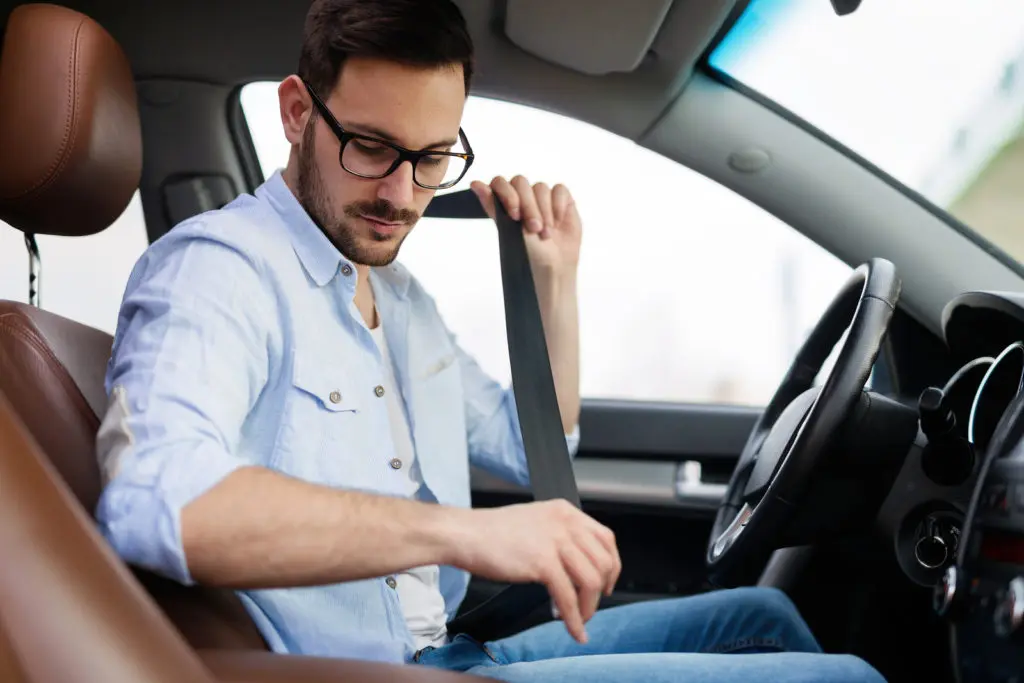
Car accidents happen every day on the busy streets and freeways of California, and if you’ve been injured in an accident, you may be wondering if where you were sitting in the vehicle contributed to your injuries. While all car seats are designed with safety in mind, some seats are inherently more dangerous than others. Understanding which seat poses the greatest risk and why can help you make informed decisions about car safety for yourself and your loved ones.
The Rear Middle Seat: Surprisingly Safe, but Situational
The rear middle seat is often referred to as the safest seat in a car. Positioned away from windows, airbags, and doors, it provides extra protection from side impacts. However, this safety comes with conditions. If the middle seat lacks a proper three-point seatbelt—a lap and shoulder belt combination—its safety advantage diminishes. Older cars without modern seatbelt systems make this seat more dangerous than you might expect.
In many car accidents, passengers in the rear middle seat experience less direct force, but they also risk being propelled forward or sideways, especially if not properly restrained. In California, where carpooling and rideshares are common, people often underestimate the importance of securing themselves in this seat. If you’re sitting in the rear middle seat, always ensure you’re buckled in correctly to maximize its safety potential.
The Front Passenger Seat: The Risk of “Death Seat”
The front passenger seat is sometimes nicknamed the “death seat” in discussions about car safety. While this label may sound dramatic, it stems from valid concerns. Sitting in the front passenger seat places you close to the dashboard, airbags, and windshield—all of which become dangerous during a crash.
Airbags, although lifesaving in most cases, can cause severe injuries if deployed forcefully against a passenger sitting too close or not seated properly. In rear-end collisions, passengers in this seat are more vulnerable to whiplash and head injuries. Despite advancements in car safety technology, the front passenger seat remains one of the riskiest positions, particularly for children and smaller adults. If you’re riding in the front passenger seat, keep your seatbelt fastened, sit upright, and avoid reclining your seat, as these measures can significantly reduce injury risks.
The Rear Side Seats: High Risk in Side-Impact Crashes
The rear side seats, located next to the doors, are among the most dangerous in side-impact crashes. California roads see a high volume of traffic, increasing the likelihood of T-bone collisions, which directly impact passengers in these seats. Despite modern safety features like side airbags, the force of a direct hit often causes significant harm to passengers in these positions.
If you sit in a rear side seat, be aware of additional risks, such as flying glass and metal fragments from shattered windows and bent car frames. While wearing a seatbelt helps, passengers in these seats are often more susceptible to injuries to their ribs, pelvis, and extremities. This is especially concerning for children, who are often placed in car seats or booster seats in these locations.
The Driver’s Seat: Control but Vulnerable
You might think the driver’s seat would offer the most safety since drivers have control over the vehicle, but this isn’t always true. Drivers are at high risk for injuries in frontal collisions, which are among the most common types of accidents. The steering wheel, dashboard, and airbags are the primary sources of injury for drivers. Additionally, the act of bracing for impact during a collision can cause serious musculoskeletal injuries, such as fractures in the hands, wrists, and arms.
In California, where many drivers spend hours navigating congested freeways, driver fatigue and distraction only add to the risks. While advanced driver assistance systems (ADAS) like automatic emergency braking and lane departure warnings have made driving safer, they can’t entirely eliminate the dangers inherent to the driver’s seat.
What Makes a Seat More Dangerous? The Factors to Consider
The relative danger of a seat in a car depends on a variety of factors beyond just its location. Here are some critical considerations:
- Seatbelt Usage: Not wearing a seatbelt is the leading cause of severe injuries and fatalities in car crashes. Always buckle up, no matter where you’re sitting.
- Vehicle Type: Smaller cars often offer less protection than larger vehicles like SUVs or trucks. Crumple zones, frame strength, and safety features vary widely between vehicle types.
- Crash Dynamics: The angle of impact plays a significant role. Front, side, and rear collisions affect different seats in varying ways.
- Passenger Size and Age: Children and smaller adults are more vulnerable to injuries, especially if improperly restrained. California law requires children under eight years old to be secured in a car seat or booster seat in the back seat.
- Safety Features: Modern vehicles are equipped with side airbags, crumple zones, and advanced seatbelt systems that significantly reduce the risk of injury.
Contact Los Angeles Car Accident Lawyer Samer Habbas

If you or a loved one has been injured in a car accident, it’s essential to know your rights and options. Whether your injuries occurred in the “most dangerous seat” or elsewhere in the vehicle, you may be entitled to compensation for medical bills, lost wages, and pain and suffering.
Contact Law Offices of Samer Habbas & Associates, PC by calling 888-848-5084 or contacting us online for a consultation. Our experienced Los Angeles car accident lawyers can help you understand your legal options and fight for the compensation you deserve. Don’t wait.





 Accident Reconstruction In Car Accident Claims
 Free Consult
 Call 24/7