





Can You Sue a Funeral Home for Emotional Distress in California?
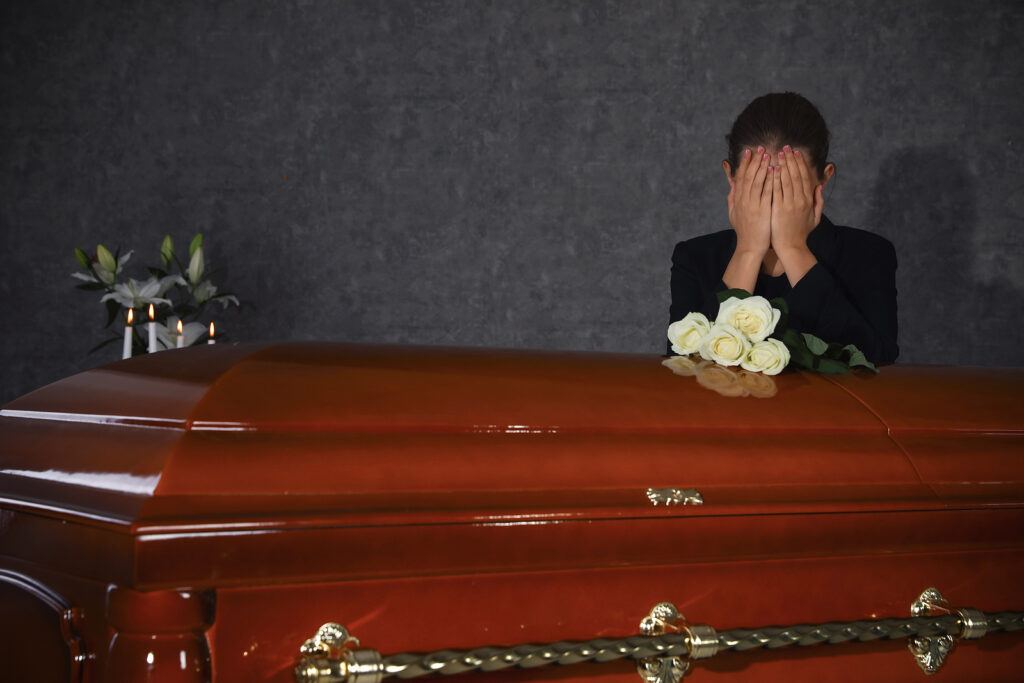
If a funeral home in California loses a loved one’s remains, damages the body, or fails to follow important instructions during final arrangements, the emotional impact on surviving family members can be overwhelming. These aren’t simple mistakes—they can cause serious psychological harm, and in many cases, California law allows affected individuals to bring a lawsuit. While not every mistake creates a valid legal claim, certain actions by funeral homes may legally justify seeking compensation for emotional distress.
This article explains how California law handles emotional distress caused by funeral homes, what legal standards apply, and what you may need to prove if you’re considering legal action.
Emotional Distress Is a Recognized Legal Injury
Under California law, emotional distress can be a type of legal injury in its own right. Courts recognize two general types: intentional infliction of emotional distress and negligent infliction of emotional distress.
Intentional infliction of emotional distress occurs when someone behaves in an extreme or outrageous way, knowing it could cause emotional harm (CACI No. 1600). For example, if a funeral home knowingly gives you the wrong remains or tries to cover up misconduct involving your loved one’s body, that may meet the legal standard.
California Law Holds Funeral Homes to a Higher Duty
California law imposes specific responsibilities on funeral homes and their staff. These aren’t casual business transactions. Funeral homes provide services during one of the most sensitive times in a person’s life, and courts have acknowledged that a higher duty of care is appropriate.
California Civil Code § 1714 is the general rule that holds people and businesses responsible when their carelessness causes harm. It applies to funeral homes just as it would to a doctor or driver. If a funeral home fails to act with the level of care that a reasonably careful provider would use in similar circumstances, and that failure causes harm, they may be held legally responsible.
In addition, California Business and Professions Code § 7606 and related sections set out rules for licensed funeral establishments. These rules cover how remains should be handled, stored, and transported. Violating these rules may support a claim of negligence or show that the funeral home failed to meet the basic standards required by law.
California courts also recognize that family members have a quasi-property right to the body of their loved one. This doesn’t mean they own the remains in a traditional sense, but they do have a protected interest in making sure the body is treated with respect and that final arrangements are carried out as agreed. Disregarding that interest—whether by mistake or misconduct—can create a legal claim for damages.
Examples of Funeral Home Misconduct That May Justify a Lawsuit
Not every misstep by a funeral home justifies legal action. But when the mistake goes beyond poor service and causes real emotional harm, you may have a case.
Examples that courts have taken seriously include:
Losing the body or mixing up remains with another individual
Incorrect cremation or burial, especially when it violates written instructions
- Delays in services that interfere with religious or cultural practices
- Poor embalming or preparation resulting in disfigurement
- Displaying the wrong body at a service
- Failing to safeguard ashes, resulting in them being lost or discarded
- Falsifying paperwork or lying to cover up a mistake
In each of these examples, the family’s distress comes not just from the grief of loss, but from a betrayal of trust in how their loved one was treated.
Who Can File a Claim for Emotional Distress?
California law doesn’t allow just anyone to bring a claim for emotional distress. In most cases involving funeral homes, it’s the close family members who are eligible. This includes spouses, children, parents, and sometimes siblings or legal guardians.
You must also show that the funeral home owed you a duty of care. This is usually straightforward if you were the one who signed the contract or made the arrangements. But even if you weren’t directly involved in the business transaction, California courts have often allowed family members to sue if they were directly harmed by the funeral home’s conduct.
In some instances, emotional distress claims can also be brought under what’s known as the bystander theory, but this typically applies when someone personally witnesses the wrongful conduct. That said, because funeral homes owe a direct duty to the family, this requirement is often relaxed in these cases.
What You Need to Prove
To succeed in an emotional distress claim, you must present clear evidence that shows:
- The funeral home acted intentionally or negligently.
- You suffered serious emotional harm as a direct result.
- The funeral home’s actions were a substantial factor in causing that harm.
This often includes documentation of the funeral home’s conduct (such as contracts, emails, or service records), as well as medical records, therapy notes, or other evidence showing the emotional toll it took on you. Statements from friends, clergy, or family members may also help show how your mental and emotional state changed after the incident.
If the funeral home’s actions were intentional or reckless, punitive damages may be available in addition to compensation for the emotional harm itself.
Time matters too. Most emotional distress claims in California are subject to a two-year statute of limitations under Code of Civil Procedure § 335.1, though that can vary depending on the facts. If you wait too long, you may lose your ability to sue.
Contact Los Angeles Funeral Home Lawyer Samer Habbas
Funeral homes have a legal and moral responsibility to handle remains with respect and professionalism. When that trust is broken and you suffer serious emotional distress as a result, you have the right to take legal action. These cases require a careful understanding of California law and a close look at the facts to determine whether liability exists.
If you believe you were harmed by a funeral home’s negligence or misconduct in Los Angeles or anywhere in California, contact Law Offices of Samer Habbas & Associates by calling 949-727-9300 or contacting us online for a free consultation with a Los Angeles funeral home abuse attorney. We’ll review your situation and explain your legal options clearly and thoroughly.





 Can a Funeral Home Be Sued For Negligence In California?
 Free Consult
 Call 24/7