










Los Angeles
Slip and Fall Lawyer
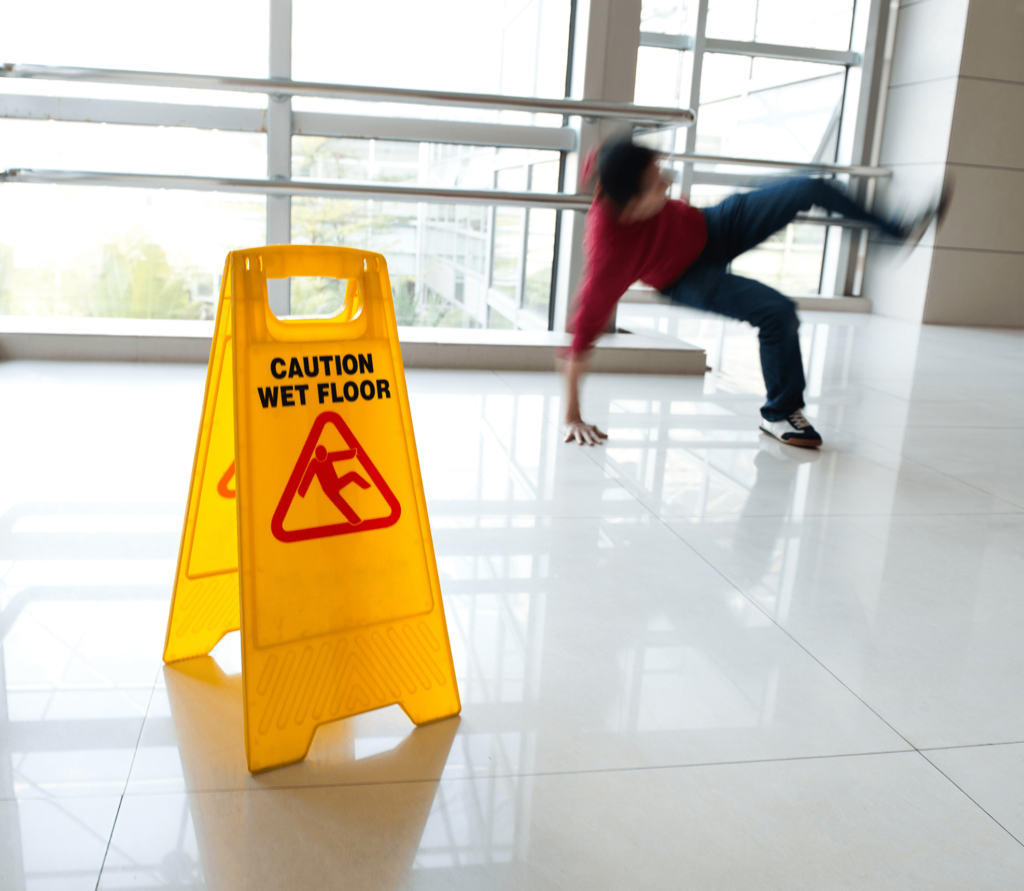
A slip and fall may sound minor—until you’re the one facing the physical, financial, and emotional impact of a property owner’s negligence. Falls caused by unsafe surfaces, poor lighting, broken stairs, or other hazards often lead to serious injuries that require immediate and ongoing medical treatment. California law places responsibility on property owners and managers to maintain reasonably safe conditions. When they fail to do so, and someone gets hurt, they can be held legally liable.
For years, the attorneys at Law Offices of Samer Habbas & Associates have represented injured victims throughout Los Angeles. We understand what it takes to pursue these cases aggressively and effectively. In this piece, Law Offices of Samer Habbas & Associates explains important information about slips, trips, and falls in Los Angeles, including the legal options available to victims, the possible types of financial compensation that can be received, and how a Los Angeles slip and fall lawyer can fight on the victim’s behalf to obtain compensation and justice.
Frequent Types of Slip and Fall Accidents in Los Angeles
- Wet or Slippery Floor Falls: These types of falls are some of the most common in Los Angeles. You’ll often see wet floor falls in grocery stores like Ralphs or Vons, restaurants, coffee shops, and malls. Water, spilled drinks, mop buckets, or leaking refrigerators can all make a floor slick.
- Trip-And-Fall on Uneven Surfaces: Cracked sidewalks, loose tiles, potholes, or buckled concrete walkways are a big problem in Los Angeles. You’ll find these hazards in places like Hollywood Boulevard, the sidewalks in Downtown LA, or around older apartment complexes. Trips like this happen when a walking surface isn’t flat or even.
- Falls on Broken or Poorly Maintained Stairs: A missing handrail, a broken step, or slippery stair coverings can quickly lead to a fall. These conditions are especially dangerous in multi-story apartment buildings, hotels, or office complexes.
- Falls Due to Poor Lighting: Parking garages, stairwells, hallways, or alleys with dim or broken lights make it difficult to see where you’re stepping. Poor lighting is more than just an inconvenience—it can hide tripping hazards like steps, objects, or cracks. When a property owner fails to replace lights or install proper lighting in high-risk areas, they’re putting people in danger.
- Falls Caused by Clutter or Debris: Loose wires, open drawers, boxes left in hallways, and trash left in walkways are easy to overlook until you trip over them. These conditions are common in warehouses, delivery areas, restaurants, or storage spaces.
- Falls on Escalators or Elevators: Escalators and elevators are supposed to be maintained regularly, but that doesn’t always happen. If one jerks, stops suddenly, or doesn’t line up with the floor properly, you can fall. These kinds of accidents often happen in transit centers, office buildings, or malls.
- Falls Due to Weather Hazards: While rain is rare in Los Angeles, it does happen. When it does, the entrances to stores, buildings, and office complexes often become slippery. Property owners should mop up wet areas or place warning signs right away.
What Injuries Happen from a Slip and Fall in LA?
- Traumatic Brain Injuries (TBIs): Falls are a leading cause of traumatic brain injuries. If you hit your head—even lightly—you could suffer a concussion or more serious brain damage.
- Spinal Cord Injuries and Herniated Discs: Falling on your back or twisting suddenly during a fall can damage your spine. Herniated or bulging discs often happen when the force of the fall compresses your spinal column. In the most serious cases, spinal cord injuries may lead to partial or complete paralysis.
- Broken Hips, Wrists, and Ankles: These fractures are especially common when you try to break your fall. Wrists and ankles often take the brunt of the impact, especially if you fall forward. For older adults, a broken hip is one of the most serious outcomes—it can take months to recover and lead to permanent loss of mobility. In severe cases, it can be life-threatening.
- Facial Fractures or Deep Cuts: If you land face-first or fall against a hard object, you might suffer broken bones in your nose, jaw, or cheek. You may also end up with cuts that need stitches. Facial injuries can leave permanent scarring or cause long-term pain and disfigurement.
- Soft Tissue Injuries: These include sprains, torn ligaments, or muscle strains. You might not feel them immediately after your fall, but they often get worse over the next few days. These injuries can seriously affect your ability to move and may require weeks or months of rehab.
- Post-Concussive Syndrome and Emotional Trauma: Even a minor concussion can cause long-term symptoms like headaches, mood swings, or difficulty concentrating. Some people develop anxiety or a fear of falling again, especially if the fall happened in a traumatic way or in a public place. Mental health issues after a fall are real and may be part of a larger claim if they impact your daily life.
Where You’re Most Likely to Slip and Fall in Los Angeles
- Grocery Stores – Places like Ralphs, Vons, Trader Joe’s, and Whole Foods see spills in aisles, leaks from freezers, and wet entryways after rain.
- Shopping Malls in LA – The Grove, Westfield Century City, and Baldwin Hills Crenshaw Plaza often have marble floors that get slippery, especially near food courts or fountains.
- Sidewalks and Crosswalks – Sidewalks in areas like Downtown LA, Hollywood, and Venice can have cracks, raised slabs, or poor lighting.
- Parking Lots and Garages – LAX, Staples Center, and private lots around Wilshire or Santa Monica can have oil spots, uneven pavement, or poor signage.
- Los Angeles Restaurants and Cafes – Places like Starbucks, In-N-Out, or local diners often have spills, slick bathroom floors, or crowded walkways.
Hotels and Motels – Hotel lobbies and pools at places near LAX or Downtown often have wet tiles, loose rugs, or stair hazards. - Public Transit Areas in LA – Metro train platforms, bus stops, and transit tunnels might have puddles, broken steps, or slippery ramps.
Apartments and Rental Homes – Many tenants fall on loose carpets, uneven stairs, or walkways that landlords fail to fix. - Schools and Colleges – Campuses like UCLA, USC, or LA City College have high foot traffic, wet hallways, and poorly maintained steps.
- Hospitals and Medical Buildings – Clinics and hospitals in LA sometimes have slick hallways, poor lighting, or sudden drops between floor levels.
Who’s Legally Responsible for a Slip and Fall Injury in California
1. Property Owners and Landlords:
If you fall in a store, rental property, or private business, the owner or landlord may be liable. Under California Civil Code § 1714(a), every person is responsible for injuries caused by a lack of ordinary care in the management of property.
2. Business Operators and Store Managers:
If you fall in a commercial setting like a restaurant or mall, the business may be at fault, even if they rent the space. Businesses are expected to make regular inspections and fix problems quickly.
3. Government Agencies (City, County, or State):
If you fall on public property—like a sidewalk, park, or bus stop—the responsible agency could be the City of Los Angeles, LA County, or a state department like Caltrans.
4. Comparative Fault Rules:
California follows a pure comparative negligence system. That means if you were partly at fault for the slip and fall (for example, distracted while walking), your compensation might be reduced, but you can still recover something.
5. Statute of Limitations:
You usually have two years from the date of the injury to file a personal injury lawsuit in California. But again, if your fall involved a public agency, you only have six months to file an administrative claim.
How You Get Compensation After a Los Angeles Slip and Fall
1. Filing a Slip and Fall Insurance Claim:
If the property owner or business has liability insurance, you can file a slip and fall claim directly with their insurance company. This is usually the first step. The insurer may offer a settlement to cover things like medical costs, lost income, and pain and suffering. But insurance companies don’t always offer fair amounts, especially if there’s a question about who was at fault. You don’t have to accept the first offer. You can negotiate or move on to a lawsuit if needed.
2. Filing a Personal Injury Lawsuit:
If the insurance company denies your claim or won’t offer enough, you can file a personal injury lawsuit in California civil court. If your case is successful, you may recover compensation for medical bills (both current and future), lost wages, reduced earning ability, physical pain, emotional distress, and possibly punitive damages in extreme cases.
Under California Code of Civil Procedure § 335.1, you have two years from the date of the fall to file. If you don’t file in time, the court will likely dismiss your case. If your fall happened on public property, you must first file a government claim within six months under California Government Code § 911.2. If the claim is rejected or ignored, you can then file a lawsuit.
3. Wrongful Death Claims:
If a slip and fall leads to someone’s death, surviving family members can file a wrongful death claim. Under California Code of Civil Procedure § 377.60, you may be able to recover funeral expenses, lost financial support, and emotional loss. This is usually filed by a spouse, child, or dependent relative. The deadline is generally two years from the date of death, not the date of injury.
Why You Want a Los Angeles Slip and Fall Accident Lawyer
Local businesses, landlords, and even city agencies have teams that know how to fight slip and fall claims. A slip and fall lawyer in Los Angeles understands LA’s building codes, knows how to get security footage or city records quickly, and can work with local experts to prove your case. Law Offices of Samer Habbas & Associates focuses on LA-area cases and knows how to deal with local insurers and defense lawyers. Having someone on your side who knows the terrain can make a big difference in how fast—and how much—you recover.
Contact Los Angeles Slip and Fall Attorney Samer Habbas

A slip and fall on someone else’s property can result in serious, often life-changing injuries, especially when the hazard should have been fixed or warned about. Whether the fall happened at a grocery store, apartment complex, office building, or public sidewalk, California law gives you the right to hold the responsible party accountable. At Law Offices of Samer Habbas & Associates, our experienced Los Angeles personal injury attorneys represent victims of slip and fall accidents with focus and precision. We are prepared to investigate the facts, preserve critical evidence, and build a strong claim on your behalf. If you suffered injuries by slipping, tripping, or falling in Los Angeles, contact Law Offices of Samer Habbas & Associates by calling 888-848-5084 or contacting us online for a free consultation with an experienced Los Angeles slip and fall attorney.
Frequently Asked Questions
What should you do right after a slip and fall in LA?
Can you sue if you fall at someone’s house or apartment?
Yes, if the owner or landlord was negligent and failed to fix or warn about a dangerous condition on the property.
How long do you have to file a lawsuit in California?
You have two years from the date of injury, or six months if the fall happened on government-owned property.
What if the fall was partly your fault?
California’s comparative fault rule still allows you to recover damages, but the amount may be reduced based on your share of fault.
Can you get money if no one saw your fall?
Yes, with evidence like photos, surveillance footage, medical records, or accident reports to support your claim of what happened.
Do businesses have to fix hazards right away?
They must take reasonable steps to inspect and repair dangerous conditions promptly under California’s duty of care law.
Will your case go to trial?
Most cases settle before trial, but your lawyer will prepare for court if the insurance company won’t offer fair compensation.
What if you didn’t feel hurt until days later?
You can still file a claim, but it’s important to get medical documentation linking the injuries to your fall.
Can you sue the city if you fall on a sidewalk?
Yes, but you must file a government claim within six months under California Government Code § 911.2 before suing.
What does it cost to hire a slip and fall lawyer?
Most work on contingency, so you don’t pay unless they win your case. The fee comes from your final settlement.






 Insurance and Slip and Fall Claims
  Free Consult
 Call 24/7